
Failure-to-Yield Car Accidents
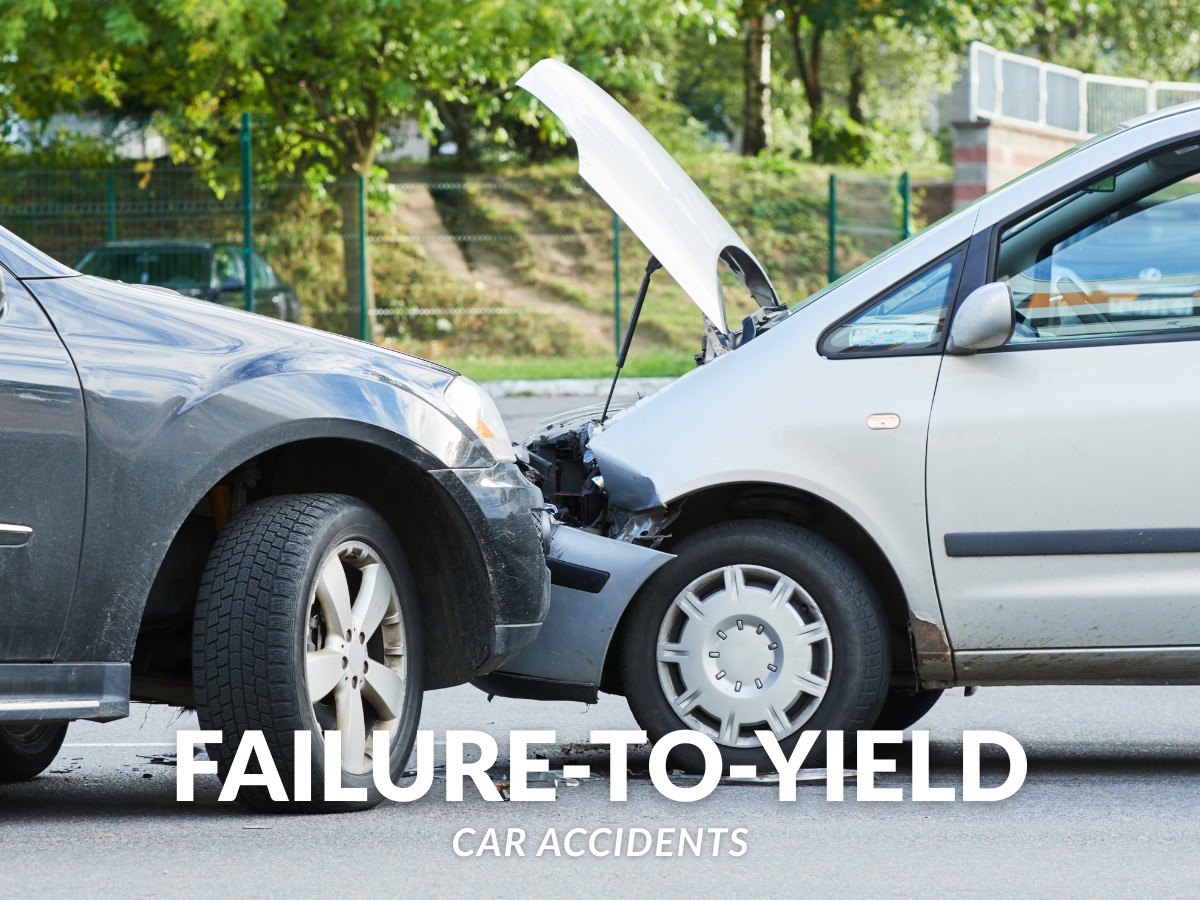
When drivers fail to yield the right of way, intersections can turn dangerous fast. At Fibich, Leebron, Copeland & Briggs, our Houston car accident lawyers have decades of experience helping victims recover from the mistakes of negligent drivers. Don’t face this alone—contact our team today to protect your rights and pursue the compensation you deserve.
What Does “Failure to Yield Right of Way” Mean?
“Failure to yield right of way” occurs when a driver doesn’t allow another motorist, cyclist, or pedestrian their legal turn to proceed. These rules ensure that intersections, crosswalks, and merges are safe and organized.
When drivers ignore them—such as by turning left before the traffic clears or entering a crosswalk too soon—serious accidents often follow. In Houston, even minor errors can result in significant injuries.
Failing to yield is a leading cause of crashes and a clear sign of driver negligence. Understanding how these violations occur is crucial to proving fault and securing fair compensation for your losses.
Right-of-Way Laws in Texas
Right-of-way laws in Texas are clear, yet they are often overlooked or misunderstood. According to Texas Transportation Code §545, drivers must yield the right of way in specific situations, including:
- When entering a roadway from a private drive or parking lot
- When turning left across oncoming traffic
- When merging onto highways or interstates
- When approaching a stop or yield sign
- When pedestrians are in a crosswalk or intersection
- When emergency vehicles approach
Ignoring these rules is a traffic violation that can result in citations, fines, and crashes, especially on Houston’s busy roads, such as I-610, Beltway 8, and downtown intersections.
Common Types of Failure to Yield Accidents in Houston
Failure-to-yield crashes can happen anywhere, but some scenarios occur more frequently than others:
- Left-turn collisions – Misjudging traffic speed or distance can cause head-on or side-impact crashes.
- Merging accidents – Failing to yield while entering highways or changing lanes often leads to sideswipes or rear-end crashes.
- Pedestrian and cyclist collisions – Ignoring crosswalks or signals frequently results in serious injuries.
- Stop sign and red-light crashes – Common in Houston’s congested intersections.
- Roundabout accidents – Many drivers fail to yield to circulating traffic, resulting in dangerous side-impact collisions.
Each situation presents unique challenges in determining fault. An experienced attorney can analyze footage, witness statements, and reports to accurately reconstruct the crash.
Who Is at Fault in a Failure to Yield Accident?
Fault in a failure-to-yield crash depends on who broke Texas right-of-way laws. A driver who ignores a yield sign or cuts across traffic is usually liable, though four-way stop cases can be more complex.
Investigators rely on traffic laws, reports, and evidence, such as skid marks or damage patterns, to prove negligence.
Because Texas has modified comparative fault laws, drivers who are 51 percent or more at fault can’t recover compensation for their injuries. Those who are 50 percent or less at fault may still recover a portion of their accident-related losses, making strong legal representation essential when fault is disputed in a personal injury lawsuit.
Injuries Commonly Caused by Failure to Yield Accidents
Because failure-to-yield collisions often occur at intersections or during high-speed merges, injuries can be severe. Common injuries include:
- Traumatic brain injuries
- Spinal cord injuries and paralysis
- Broken bones or fractures
- Whiplash and soft tissue injuries
- Internal bleeding or organ damage
- Cuts, bruises, and scarring
Pedestrians and cyclists hit by drivers who fail to yield often face long recoveries, costly medical bills, missed work, and lasting emotional effects such as anxiety or PTSD.
Compensation Available to Victims of Failure-to-Yield Crashes in Houston
Victims of failure-to-yield crashes often face heavy financial and emotional strain. If another driver’s negligence caused your injuries, you may be entitled to recover compensation for medical expenses such as hospital stays, rehabilitation, and ongoing treatment. You can also seek money for lost income, reduced earning capacity, vehicle repairs or replacement, and the pain, emotional distress, and loss of quality of life that often follow a serious collision.
Losses vary from case to case, and detailed records like medical reports and pay stubs can strengthen your claim. Let our Houston car accident lawyers handle the legal process for you while you focus on healing.
How Our Houston Car Accident Lawyers Can Help
At Fibich, Leebron, Copeland & Briggs, we know how one reckless driver can change everything in your life. Our attorneys have decades of experience, and we know how to thoroughly investigate your accident, negotiate with insurers, and advocate for the money you deserve in court.
As one former client says:
Can’t say enough about this law firm. They fight long and hard for their clients. Never do you feel unimportant or annoying. Words that come to mind, kind, compassionate, caring loyal, thorough, professional, friendly, helpful. I would highly recommend this firm. Thank you, Mr. Fibich and Mr. Briggs.
Our firm has recovered over $1 billion for injured Texans. While every case is unique, our commitment to personalized attention and honest guidance never wavers. We help clients hold negligent drivers accountable and pursue fair recovery.
Frequently Asked Questions About Failure to Yield Accidents in Texas
The following answers address common concerns about right-of-way crashes in Houston.
What happens if you fail to yield the right of way in Texas?
Drivers who fail to yield may face fines, citations, and legal liability. In severe cases that cause injury or death, criminal charges may also be applicable.
Who is at fault in a four-way stop accident?
Fault in four-way stop crashes usually lies with the driver who ignores the correct order of proceeding. Texas law requires yielding to the vehicle that arrived first, or, if simultaneous, to the car on the right.
Can I still recover damages if I was partially at fault when another driver failed to yield?
Yes. Even if you share some blame for the crash, you may still be eligible for compensation. The exact amount depends on how responsibility is divided between all involved drivers.
How long do I have to file a claim after a failure-to-yield accident in Houston?
You have two years from the date of the crash to file a claim. This Texas deadline makes it crucial to act quickly so your attorney can preserve evidence, protect your rights, and build your case.
Understanding these basics can help you make informed decisions about your next steps after a failure-to-yield crash.
Contact Our Houston Failure to Yield Accident Attorneys to Learn More
If you were hurt in a failure-to-yield accident, you don’t have to handle it alone. Fibich, Leebron, Copeland & Briggs helps people injured in Houston car accidents hold negligent drivers accountable.
Contact us today for a free consultation and learn how our experienced attorneys can protect your rights and guide you through the recovery process after a right-of-way crash.