
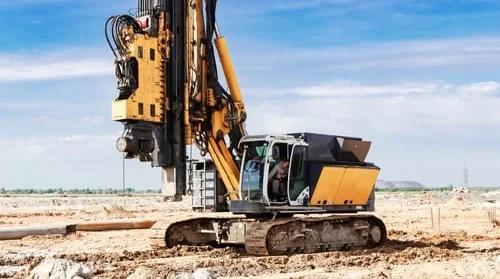
Houston serves as the energy capital of the world, with a significant concentration of oil field workers facing dangerous conditions daily. If you or a family member has been injured working on a rig, at a well site, or while providing contract services to the oil and gas industry, understanding what causes these injuries can help identify who may be liable and what legal options you may pursue. Leading causes of oil field injuries in Houston include equipment malfunctions, vehicle accidents, falls, explosions, and exposure to hazardous substances. Many incidents stem from inadequate safety protocols, improper training, or negligent supervision.
If you have suffered a serious injury on an oil field, Fibich, Leebron, Copeland & Briggs may be able to help you understand your rights and pursue compensation. Call 713-751-0025 or contact us today to discuss your case.
Understanding the Scope of Oil Field Injuries in Houston
The oil and gas extraction industry remains one of the most hazardous sectors for American workers, and Houston-area employees face these risks at elevated rates. From January 2015 to July 2022, OSHA recorded over 2,100 severe work-related injuries in the oil and gas extraction sector across 32 jurisdictions. These figures represent only the most serious incidents, including amputations and hospitalizations.
Upper extremity injuries, particularly to the hands and arms, account for the largest share of documented oil field injuries. According to OSHA’s report on severe injuries, approximately 43% of all severe injuries involved upper extremities. This reflects the hands-on nature of oil field work, where workers regularly handle heavy machinery, drilling equipment, and tools that can cause crushing injuries, lacerations, and amputations.
💡 Pro Tip: Document every injury immediately, no matter how minor it seems. Take photographs of the injury site, your wounds, and any equipment involved. This evidence can be critical if your condition worsens or you later need to file a claim.

Common Causes of Oil Field Accidents in Houston Texas
Oil field accidents in Houston stem from hazardous working conditions, equipment failures, and human error. Understanding these causes can help injured workers identify potentially liable parties when pursuing compensation.
Equipment-Related Hazards
Malfunctioning or improperly maintained equipment causes a substantial portion of oil field injuries. Drilling rigs, pump jacks, pressure vessels, and pipe-handling equipment pose serious risks when they fail or when workers lack adequate training. Equipment manufacturers, maintenance contractors, and site operators may all share liability when defective or poorly maintained machinery injures a worker.
Common equipment-related injuries include:
- Crush injuries from moving machinery or falling equipment
- Burns from steam, hot surfaces, or chemical releases
- Amputations caused by rotating parts or pinch points
- Traumatic injuries from pressure release incidents
Vehicle and Transportation Incidents
Vehicle accidents represent a significant cause of oil field fatalities and injuries. Workers travel between well sites, transport equipment, and haul crude oil on Houston-area roads. The NIOSH Fatalities in Oil and Gas Extraction database acknowledges that roadway motor vehicle fatalities are underreported due to data collection limitations.
Crude oil haulers, service technicians, and contract workers who drive as part of their job duties face particular risks. Fatigue from long shifts, pressure to meet tight deadlines, and poorly maintained vehicles all contribute to these preventable accidents.
Contractor and Subcontractor Safety Gaps
Contract workers in the service and drilling subindustries experience disproportionately more work-related injuries compared with those in operations. Well service contract workers suffered the highest number of amputations at 417 and hospitalizations at 1,194, accounting for 20% and 57%, respectively, of all severe injuries reported during the OSHA study period.
This disparity often results from inadequate safety coordination between primary operators and contractors. OSHA recommends including contractors in worksite safety plans that administer the hierarchy of controls, provide consistent safety training, and incorporate daily safety meetings.
💡 Pro Tip: If you work as a contract employee on oil field sites, understand who is responsible for your safety training and equipment. Multiple parties may share liability for your injuries, including the site operator, your direct employer, and equipment providers.
Who Is Most At Risk for Oil Field Injuries?
Certain categories of oil field workers face elevated injury risks based on their job duties and employment arrangements. Contract workers, particularly those in well services and drilling, sustain injuries at higher rates than workers employed directly by oil and gas operators.
Workers from supporting industries also face significant hazards. This includes site preparation crews, specialized freight trucking personnel, and geophysical surveying teams.
Understanding the most common oil field injuries can help workers recognize hazards and identify whether an employer or contractor failed to implement adequate safety measures.
Legal Rights of Injured Oil Field Workers in Texas
Texas law provides several potential avenues for injured oil field workers to pursue compensation. Unlike most states, Texas does not require employers to carry workers’ compensation insurance. Many oil field employers opt out of the workers’ compensation system, which can expand an injured worker’s legal options.
Non-subscriber employers lose certain legal protections when they choose not to carry workers’ compensation. Injured workers can pursue negligence claims against non-subscriber employers without facing the traditional defenses of contributory negligence, assumption of risk, or the fellow servant doctrine. This means workers may recover damages even if they were partially at fault.
Third-party claims offer another important pathway to recovery. Even when an employer carries workers’ compensation, injured workers may sue other responsible parties, such as:
- Equipment manufacturers for defective products
- Contractors or subcontractors whose negligence contributed to the injury
- Site owners who failed to maintain safe premises
- Vendors who provided faulty materials or services
💡 Pro Tip: Do not assume that accepting workers’ compensation benefits prevents you from pursuing additional claims. Third-party liability claims are separate from workers’ comp and may provide significantly greater compensation.
Statute of Limitations for Filing Claims
Texas Civil Practice and Remedies Code Section 16.003 establishes a two-year statute of limitations for personal injury actions, including oil field injury claims filed in Houston. This deadline begins from the date of the injury, though courts may apply the discovery rule in limited circumstances where an injury was not immediately apparent.
Missing this deadline can permanently bar your right to seek compensation. Courts interpret exceptions narrowly, and tolling provisions do not apply automatically. Consulting with a qualified attorney promptly after an injury ensures you understand and meet all applicable deadlines.
How a Houston Oil Field Injury Lawyer Can Help Your Case
A Houston oil field injury lawyer can investigate your accident, identify all potentially liable parties, and build a compelling case for maximum compensation. Oil field injury cases often involve complex technical evidence, multiple defendants, and sophisticated corporate legal teams working to minimize payouts.
Recent legal developments have made proper case preparation critical. The Texas Supreme Court’s ruling in Werner Enterprises v. Blake reinforced that plaintiffs must show a defendant’s actions were a substantial factor in causing their injuries. This heightened causation standard requires thorough evidence gathering and strategic case presentation.
Nuclear verdicts in the energy sector demonstrate that juries are willing to hold negligent companies accountable. In 2024 alone, 135 verdicts exceeding $10 million were reported across all corporate cases (spanning 55 industries), totaling $31.3 billion in damages. The oil and gas sector specifically accounted for approximately $1.8 billion of that total.
When pursuing claims involving gross negligence or particularly egregious conduct, Texas Civil Practice and Remedies Code Section 41.001 defines the standards for recovering exemplary damages. These damages serve as a penalty beyond compensatory purposes and may apply in cases involving malice or gross negligence.
Steps to Take After an Oil Field Injury
Taking the right steps immediately after an oil field accident can significantly impact your ability to recover compensation.
Report the injury to your supervisor and document everything in writing. Request copies of any incident reports and ensure your account is accurately recorded. If you disagree with how the incident is being characterized, note your objections in writing.
Seek medical attention promptly, even if your injuries seem minor. Some oil field injuries, particularly those involving toxic exposure or internal trauma, may not manifest symptoms immediately. Medical records establishing a clear timeline are essential evidence.
Preserve all evidence related to your injury. This includes photographs of the accident scene, your injuries, and any equipment involved. Keep copies of work schedules, safety training records, and communications about safety concerns.
💡 Pro Tip: If OSHA investigates your accident, request copies of the inspection reports. These records may contain valuable evidence supporting your claim.
Frequently Asked Questions
1. What types of compensation can I recover after an oil field injury in Houston?
Injured oil field workers may be entitled to compensation for medical expenses, lost wages, reduced earning capacity, pain and suffering, and in certain cases, exemplary damages. The specific damages available depend on whether you pursue workers’ compensation, a third-party lawsuit, or a claim against a non-subscriber employer. An oil field injury attorney can evaluate your situation and explain available compensation.
2. Can I sue my employer if I was injured on an oil field in Texas?
This depends on whether your employer carries workers’ compensation insurance. If your employer is a non-subscriber, you generally can sue them directly for negligence. If they carry workers’ comp, your remedies against the employer are typically limited to benefits under that system, though you may still have claims against other responsible parties.
3. How long do I have to file an oil field injury claim in Texas?
Texas law generally provides a two-year statute of limitations for personal injury claims from the date of injury. However, specific circumstances may affect this deadline. Consulting with an attorney promptly helps ensure you do not miss applicable deadlines.
4. What if a contractor’s negligence caused my oil field injury?
You may have a third-party claim against the negligent contractor, even if you receive workers’ compensation benefits from your direct employer. Identifying all potentially liable parties is important for maximizing your recovery.
5. What evidence do I need to prove my oil field injury claim?
Strong cases typically include medical records, incident reports, witness statements, photographs of the accident scene and injuries, safety training records, and any available OSHA inspection reports. Expert testimony regarding industry safety standards and causation may also be necessary.
Protecting Your Rights After an Oil Field Injury
Oil field work remains inherently dangerous, but many injuries result from preventable failures in safety protocols, equipment maintenance, or training. If you have suffered an injury while working in Houston’s oil and gas industry, understanding your legal options is the first step toward obtaining the compensation you deserve. Texas law provides multiple pathways for recovery, but navigating these options requires prompt action and thorough preparation.
Do not wait to explore your legal rights. Contact Fibich, Leebron, Copeland & Briggs at 713-751-0025 or reach out online to schedule a consultation. Our team is prepared to review your case and help you understand what steps to take next.