Category: Truck Accidents

semi-truck with large trailer parked near highway overpass with worker nearby

The Federal Insurance Safety Net Behind Catastrophic Houston Truck Crashes Key Takeaways: An MCS-90 endorsement is a federally required attachment to an interstate for-hire motor carrier’s liability policy that obligates the insurer to pay final judgments for bodily injury or property damage caused by negligent commercial vehicle operation, even when the underlying policy would deny…
Lone Star Logistics semi-truck with workers in safety vests inspecting flatbed trailer

Holding the Middlemen Accountable After a Brokered-Load Wreck in Houston Key Takeaways: Freight brokers may be sued after a Houston 18-wheeler crash, typically under negligent motor carrier selection claims alleging failure to vet the carrier’s safety history, authority, or insurance. Brokers have long argued the Federal Aviation Administration Authorization Act (49 U.S.C. § 14501(c)(1)) preempts…

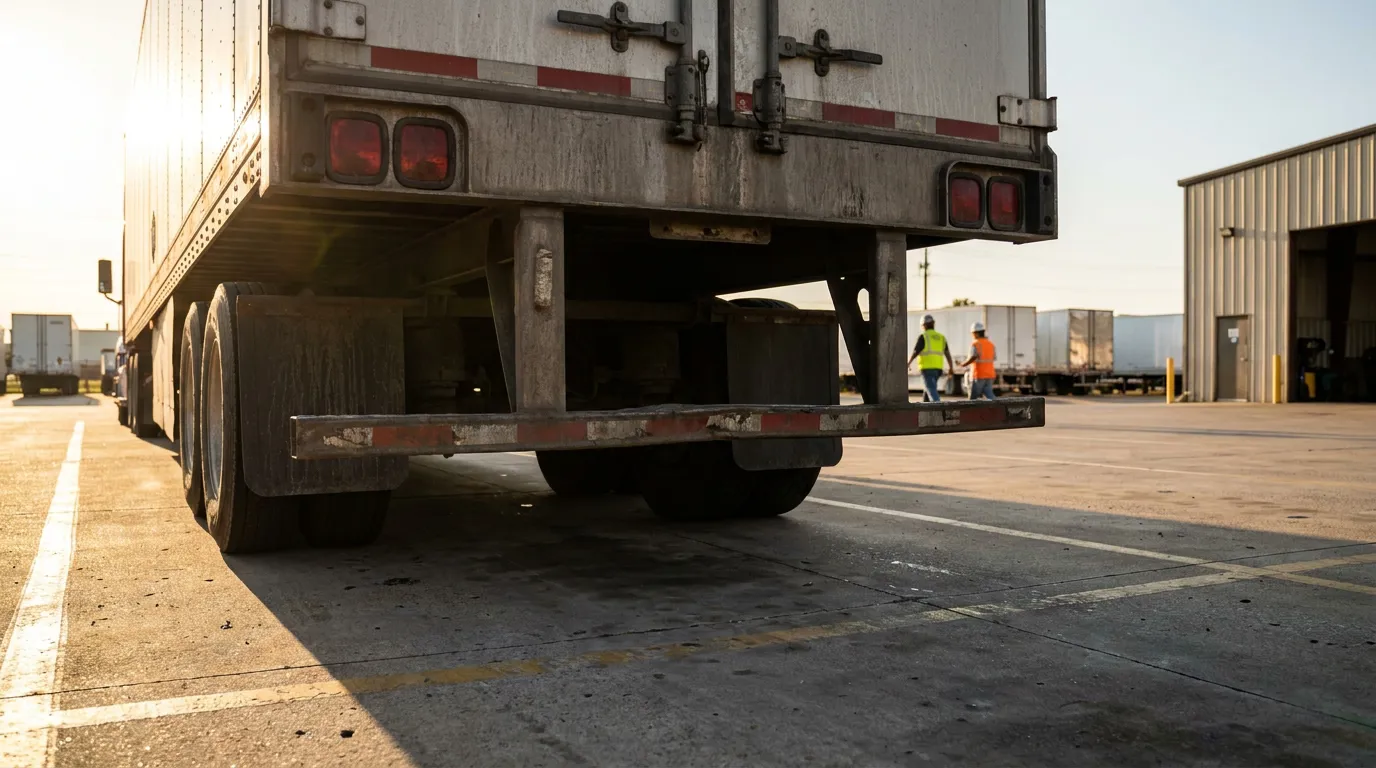
low-angle view of semi-truck rear undercarriage at commercial loading dock with workers

When a Trailer’s Rear Guard Fails, the Consequences Are Catastrophic Key Takeaways: A truck underride guard failure claim in Houston is filed when a passenger vehicle slides beneath a commercial trailer because the rear impact guard broke, bent, corroded, or was inadequate. Because the car’s crumple zone is bypassed, these crashes commonly cause traumatic brain…

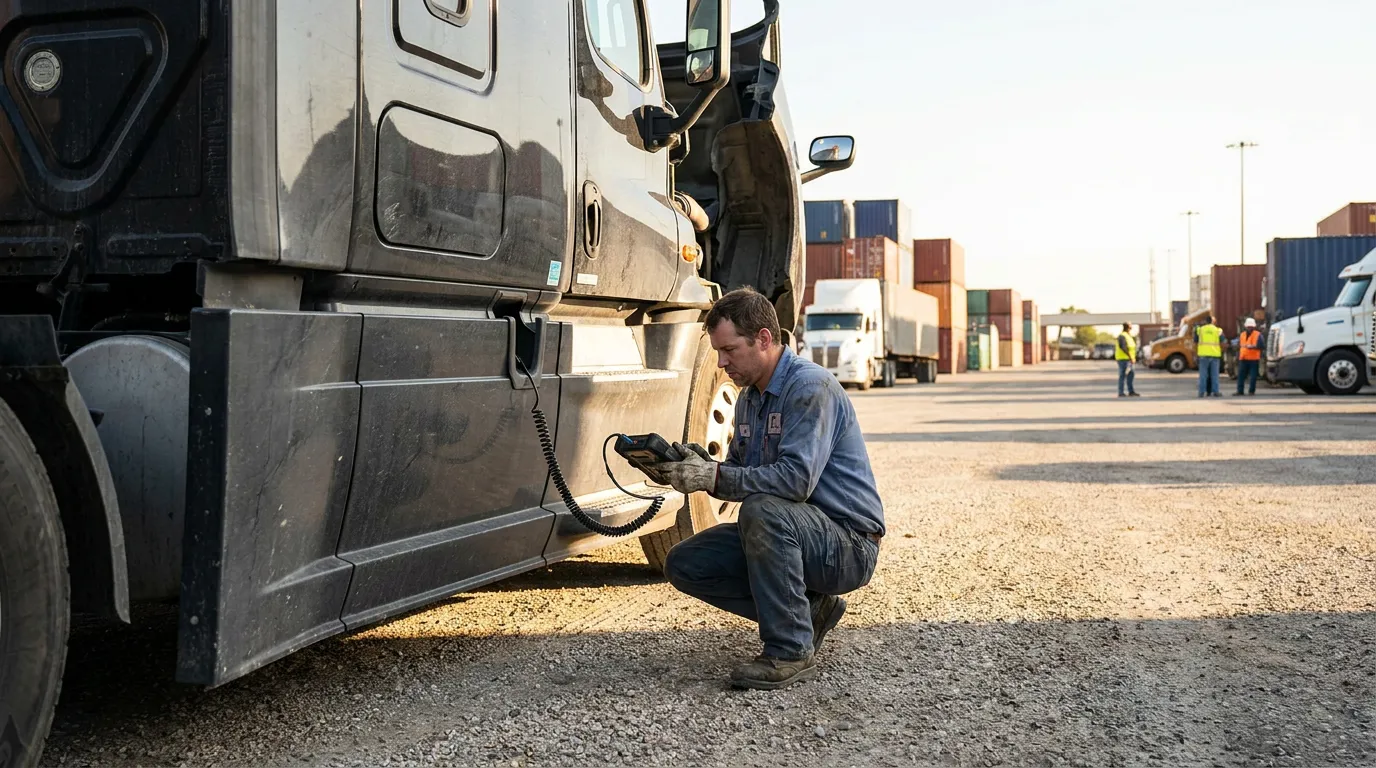
mechanic crouching beside semi-truck tire using handheld diagnostic device at commercial yard

The Digital Witness Riding Inside Every 18-Wheeler Key Takeaways: Truck black box ECM data is the electronic record stored in an 18-wheeler’s engine control module, capturing road speed, throttle position, brake application, engine RPM, and hard-braking events. Texas law under Tex. Transp. Code § 547.615 limits who may retrieve recorded information absent owner consent or…

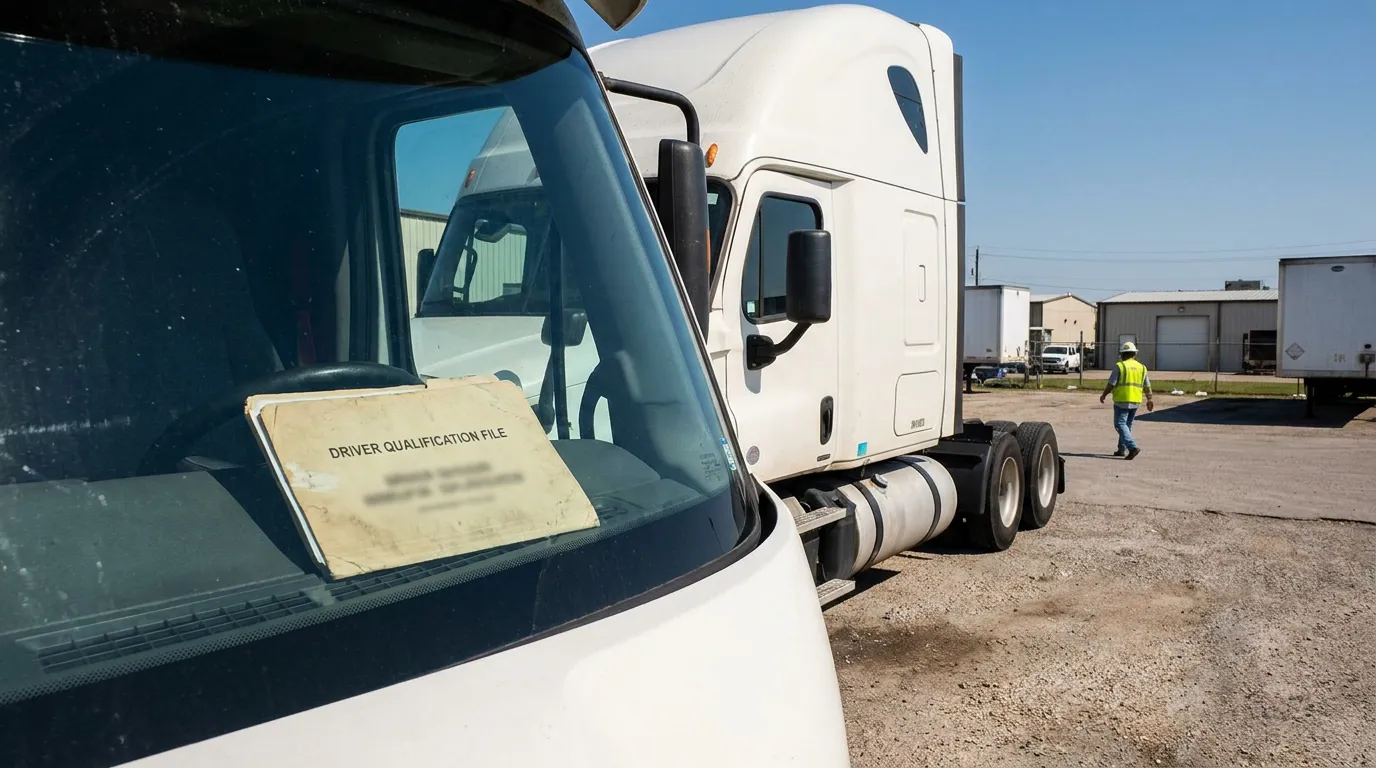
Driver Qualification File folder visible on semi-truck dashboard at commercial trucking yard

The Hidden Paper Trail Behind Every Houston 18-Wheeler Crash Key Takeaways: A driver qualification file (DQF) is the federally required safety file that 49 C.F.R. § 391.51 obligates motor carriers to maintain on each commercial driver. It must contain the employment application, state licensing inquiries, motor vehicle records, annual reviews, road test certification, and medical…

two workers in safety vests reviewing documents beside semi-truck at yard marker

Understanding Who Pays When an 18-Wheeler Devastates a Houston Family Key Takeaways: Multi-party liability means multiple entities can be held legally responsible for a single Houston semi-truck crash, including the driver, trucking company, leasing company, cargo shipper, maintenance provider, and parts manufacturer. Texas law under Chapter 72 permits trucking companies to be held vicariously liable…

Holding Trucking Companies Accountable for Driver Fatigue Crashes in Houston When a fatigued truck driver causes a catastrophic collision on a Houston highway, the trucking company behind that driver may share legal responsibility. Texas law provides several legal theories that allow victims of 18-wheeler fatigue crashes to pursue compensation not just from the drowsy driver,…

A spoliation letter is a formal legal notice sent to a trucking company, its insurer, and other relevant parties demanding they preserve all evidence related to a commercial truck crash. In Houston truck accident cases involving 18-wheelers or other commercial vehicles, critical evidence such as electronic logging device (ELD) data, black box recordings, driver qualification…

houston truck accident

If you live, work, or drive in Houston, you might travel along local roads like I-45 or Beltway 8 every day without realizing the sheer scale of our city’s truck accident problem. Sure, maybe you pass your share of traffic jams, but when you see the actual Texas commercial truck accident statistics for Houston, the…

Drug use is a factor in many commercial truck accidents, both in Texas and the country at large. The Federal Motor Carrier Safety Administration (FMCSA) reports that in one recent year, about 5.5 percent of truck drivers involved in all fatal commercial vehicle crashes nationwide tested positive for at least one illegal drug in their…