
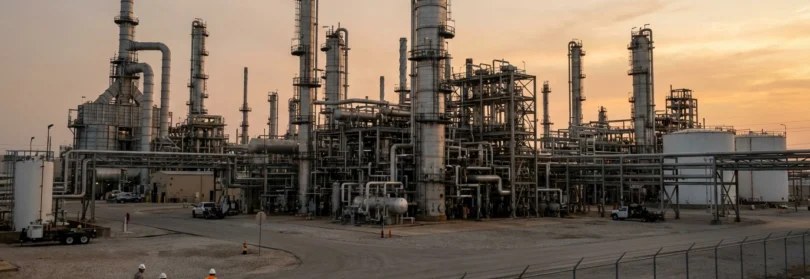
A Houston plant explosion can change your life in an instant. Severe burn injuries, blast trauma, and chemical exposure from refinery and chemical plant accidents often leave workers facing permanent disability, extended medical treatment, and devastating financial losses. If you or a loved one suffered serious injuries in an industrial explosion, the steps you take immediately afterward can directly affect your ability to recover compensation for medical bills, lost wages, and long-term care. Understanding your legal rights under Texas law is critical, and time-sensitive deadlines mean you cannot afford to wait.
If you need immediate guidance after a serious plant explosion injury, Fibich, Leebron, Copeland & Briggs is ready to help. Call 713-751-0025 or contact us today to discuss your case.
Immediate Steps to Protect Yourself After a Houston Plant Explosion
The first hours and days after a chemical plant accident or refinery explosion are critical for building a strong legal claim. What you do now can determine whether essential evidence is preserved or lost forever. Industrial explosion scenes change rapidly as companies begin cleanup, repairs, and internal investigations.
Report your injury to your employer as soon as possible. Under Texas law, you must report your workplace injury within 30 days from the date you were hurt or from the date you knew your injury was work-related. Missing this deadline can jeopardize your workers’ compensation benefits. Request written confirmation of your report.
Seek emergency medical treatment and document everything. Even if injuries seem manageable, many explosion-related conditions like internal blast injuries, chemical inhalation damage, and deep tissue burns may not show immediate symptoms. Medical records created close to the incident serve as powerful evidence linking your injuries to the explosion.
💡 Pro Tip: Photograph your injuries, the scene if safely accessible, and any safety equipment or conditions you observed. This evidence may become unavailable once the employer secures the site.

Understanding Your Rights as an Injured Plant Explosion Worker in Texas
Texas has a unique workers’ compensation system that directly affects your legal options after a plant explosion. Unlike most states, Texas does not require private employers to carry workers’ compensation insurance. This voluntary system means your employer may be either a "subscriber" (carries workers’ comp) or a "nonsubscriber" (does not carry workers’ comp), and this distinction shapes your entire legal strategy.
If your employer carries workers’ compensation, the system pays medical bills and replaces some lost wages. However, workers’ comp coverage generally limits your ability to sue your employer directly. The exclusive remedy provision bars most lawsuits against subscribing employers. Two narrow exceptions exist: (1) if the employer’s gross negligence caused the worker’s death, or (2) if the employer knew injury was substantially certain to result from its conduct. Both are extremely difficult to prove.
If your employer is a nonsubscriber, you have broader legal options. Because Texas has a voluntary workers’ compensation system, many employers choose not to subscribe. Workers at nonsubscribing employers can pursue common-law negligence actions, and the employer loses several key defenses under Texas Labor Code § 406.033(a), including contributory negligence, assumption of risk, and the fellow-servant doctrine. However, the employer retains other defenses, such as sole proximate cause. For plant explosion victims, this framework can open the door to full compensation.
💡 Pro Tip: Ask your employer directly whether they carry workers’ compensation insurance. You can also verify coverage through the Texas Department of Insurance, Division of Workers’ Compensation.
Filing a Workers’ Compensation Claim
If your employer subscribes to workers’ comp, you must take specific steps to preserve your benefits. File DWC Form-041 (Employee’s Claim for Compensation for a Work-Related Injury or Occupational Disease) with the Division of Workers’ Compensation within one year of the injury date. You can learn more about the claims process through the Texas Department of Insurance.
When a Third-Party Lawsuit May Apply
Even if your employer carries workers’ comp, you may still have a claim against other parties responsible for the explosion. In many Houston refinery explosions, multiple corporations share responsibility. Equipment manufacturers, maintenance contractors, chemical suppliers, and site operators may all bear liability. Pursuing a third-party claim allows you to seek full damages beyond limited workers’ comp benefits.
How a Houston Plant Explosion Lawyer Can Help Build Your Case
Serious industrial explosion cases involve complex liability spanning multiple corporations, contractors, and insurers. A Houston plant explosion lawyer experienced in these high-stakes claims understands how to investigate the root cause, identify every responsible party, and pursue maximum compensation. These cases frequently require forensic analysis of equipment failures, review of safety records, and expert testimony.
Plant explosion claims may involve liability against several parties simultaneously. The table below outlines common potentially liable parties:
| Potentially Liable Party | Basis of Liability |
|---|---|
| Plant owner/operator | Failure to maintain safe working conditions |
| Equipment manufacturer | Defective or poorly designed machinery |
| Maintenance contractor | Negligent inspection, repair, or servicing |
| Chemical supplier | Failure to warn of hazardous properties |
| General contractor | Inadequate safety protocols on site |
Identifying all responsible parties is essential to maximizing your recovery. A thorough investigation conducted early can uncover evidence of corporate negligence, regulatory violations, and institutional failures that contributed to the explosion. If you suffered severe burns, an experienced burn injury lawyer in Houston can evaluate your claim and help determine who should be held accountable.
💡 Pro Tip: Employers and facility owners often launch internal investigations immediately after an explosion to protect the company. You should have your own legal team conducting an independent investigation to preserve evidence on your behalf.
Critical Deadlines: Texas Statutes of Limitations for Explosion Injury Claims
Missing a filing deadline can permanently bar your claim, no matter how severe your injuries. Texas imposes strict statutes of limitations on personal injury, wrongful death, and property damage claims.
- Personal injury claims: Under Texas Civil Practice and Remedies Code § 16.003(a), you generally have two years from the date of injury to file a lawsuit.
- Wrongful death claims: Under Texas Civil Practice and Remedies Code § 16.003(b), families of workers killed in an explosion also face a two-year statute of limitations.
- Property damage claims: Texas Civil Practice and Remedies Code § 16.003(a) also provides a two-year limitations period.
While certain exceptions may exist, courts generally interpret tolling provisions and discovery rules narrowly. Do not assume any exception automatically applies. Consult with an attorney well before any deadline approaches.
💡 Pro Tip: The two-year clock typically begins on the explosion date, but in limited circumstances involving latent injuries from chemical exposure, the discovery rule may delay the start date. This requires legal evaluation.
Protections Against Employer Retaliation
Texas law protects workers who file compensation claims from employer retaliation. Under Texas Labor Code Chapter 451, employers cannot discharge or discriminate against employees for filing workers’ compensation claims in good faith. If you experience termination, demotion, reduced hours, or other adverse action after reporting your injury, you may have a retaliation lawsuit and should consult with an attorney.
Do not let fear of retaliation prevent you from exercising your legal rights. Workers who suffered catastrophic injuries in plant explosions deserve to pursue every avenue of recovery. If you are unsure about your next steps after suffering burns in a Houston workplace fire, speaking with a qualified attorney can help clarify your rights.
What Damages Can You Recover After a Houston Chemical Plant Accident?
Workers who suffer severe injuries in plant explosions may be entitled to substantial compensation. The specific damages available depend on the type of claim you pursue, whether through workers’ comp, a third-party lawsuit, or a direct negligence action against a nonsubscribing employer. In high-value explosion injury cases, damages often include:
- Past and future medical expenses, including surgeries, skin grafts, rehabilitation, and long-term care
- Lost wages and diminished future earning capacity
- Physical pain and mental anguish
- Disfigurement and permanent disability
- Loss of consortium for spouses and family members
For families who lost a loved one, a wrongful death claim can seek compensation for lost financial support, funeral expenses, and profound personal losses. These cases demand aggressive advocacy and willingness to take corporate defendants to trial when fair settlement offers are not available.
💡 Pro Tip: Keep detailed records of every medical appointment, prescription, therapy session, and day of missed work. These records form the foundation of your damages calculation and can significantly affect your claim’s value.
Frequently Asked Questions
1. How long do I have to file a lawsuit after a Houston plant explosion?
Under Texas Civil Practice and Remedies Code § 16.003(a), you generally have two years from the date of injury to file a personal injury lawsuit. Wrongful death claims under § 16.003(b) also carry a two-year period. Courts interpret exceptions narrowly, so consult with an attorney as soon as possible.
2. What if my employer does not carry workers’ compensation insurance?
If your employer is a nonsubscriber, you may pursue a common-law negligence lawsuit directly against them. Nonsubscribing employers lose certain statutory defenses, including contributory negligence, assumption of risk, and the fellow-servant doctrine, which can strengthen your case.
3. Can I sue my employer if they have workers’ compensation?
In most cases, workers’ compensation provides the exclusive remedy against a subscribing employer. However, you may still pursue claims against negligent third parties such as equipment manufacturers or contractors. In narrow circumstances involving gross negligence causing death or substantially certain injury, a direct claim against the employer may be possible.
4. What should I do if my employer retaliates after I file a claim?
Texas Labor Code Chapter 451 prohibits employers from retaliating against employees who file workers’ compensation claims in good faith. If you believe your employer retaliated, document every instance and consult with an attorney about filing a retaliation lawsuit.
5. Do I need a lawyer for a plant explosion injury claim?
While not legally required, plant explosion cases involving severe burns, multiple liable parties, and corporate defendants benefit greatly from experienced legal representation. An explosion injury attorney can handle the investigation, negotiate with insurers, and prepare your case for trial if necessary.
Take Action to Protect Your Future After a Plant Explosion
A serious plant explosion injury can leave you facing a lifetime of medical treatment, lost income, and physical limitations. Texas law provides meaningful avenues for recovery, but strict deadlines and complex liability questions demand prompt action. Understanding whether your employer carries workers’ compensation, identifying all responsible parties, and preserving evidence early are all steps that can shape your case outcome.
If you or a family member suffered catastrophic injuries in a Houston plant explosion, Fibich, Leebron, Copeland & Briggs has the trial-ready experience to pursue the accountability and compensation you deserve. Call 713-751-0025 or reach out to our team for a confidential case evaluation.