
When Your Texas Oil Field Employer Has No Workers’ Comp: What Non-Subscription Means for Injured Workers
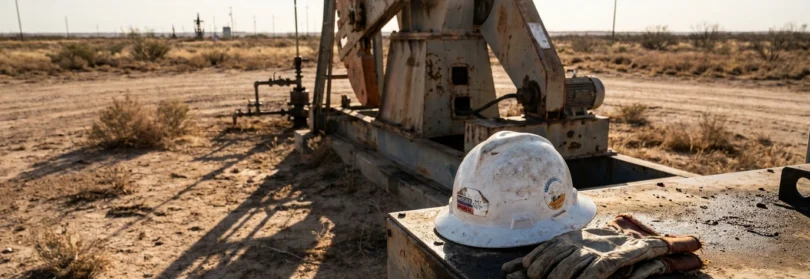
A non-subscriber employer in Texas is a private employer that has chosen not to carry workers’ compensation insurance, a legal option available only in the Lone Star State. For oil field workers in Houston and across the Permian Basin, this designation carries life-altering consequences when a serious injury occurs. Texas Labor Code, Title 5 makes workers’ compensation optional for most private employers, and the Texas Department of Insurance officially refers to employers without this coverage as "non-subscribers." If you suffered a catastrophic injury on a drilling rig, wellsite, or service operation, your employer’s subscription status directly shapes your legal rights and path to recovery.
If you were seriously hurt while working for a non-subscriber employer in the oil field, Fibich, Leebron, Copeland & Briggs can help you understand your options. Call 713-751-0025 or reach out to our team to discuss your case.
Why Texas Allows Employers to Opt Out of Workers’ Compensation
Texas remains the only state with a truly optional workers’ compensation system. Under Texas Labor Code § 406.002, private employers can choose whether to carry workers’ compensation insurance. This policy, known as "non-subscription," has measurable economic effects examined in peer-reviewed research, including a study published in the Journal of Risk and Uncertainty. Roughly 1 in 5 private-sector Texas employees works for a non-subscriber employer, leaving a significant portion of the workforce without traditional workers’ comp protections.
Oil field services, construction, refining, and manufacturing are most affected. These industries operate hazardous, complex work environments where multiple employers and subcontractors work side by side, creating layered liability questions after serious accidents. Large companies often self-insure believing they can manage the risk internally, while small companies may opt out due to high premium costs. For more on this Texas-only policy, read about why Texas is the only state where employers can opt out of workers’ comp.
💡 Pro Tip: After any oil field injury, ask your employer directly whether they carry workers’ compensation insurance. Their answer determines whether you file a workers’ comp claim or pursue a civil negligence lawsuit.
What Non-Subscriber Status Means for Injured Oil Field Workers
When an oil field employer is a non-subscriber, it has no legal obligation to provide workers’ compensation medical or wage benefits to injured workers. There is no automatic system to cover hospital bills, surgeries, rehabilitation, or lost income. Any benefits you receive depend entirely on what your employer voluntarily offers through a private benefit plan, if one exists. For workers who have suffered crush injuries, severe burns, toxic chemical exposure, or traumatic amputations, this gap can be financially devastating.
However, non-subscription removes critical legal protections employers would otherwise enjoy. Subscribing employers generally receive "exclusive remedy" protection, which bars most employee lawsuits for workplace injuries. An exception exists under Texas Labor Code § 408.001(b) for exemplary damages when an employee’s death was caused by the employer’s intentional act or gross negligence. Non-subscriber employers lose this exclusive remedy protection entirely, allowing injured employees to pursue civil negligence claims against their employer or third parties.
Key Legal Defenses Non-Subscribers Cannot Use
Non-subscriber employers in Texas forfeit three powerful common-law defenses under Texas Labor Code § 406.033:
- Contributory negligence: The employer cannot argue that the worker’s own negligence caused or contributed to the injury.
- Assumption of risk: The employer cannot claim the worker knowingly accepted the dangers of the job.
- Fellow-servant doctrine: The employer cannot blame a co-worker’s actions to avoid responsibility.
Non-subscriber employers may still assert other defenses, including sole proximate cause, intoxication, or intentional self-injury. The Texas Supreme Court has held that non-subscribers may invoke proportionate responsibility under Chapter 33 of the Texas Civil Practice and Remedies Code to attribute fault to responsible third parties. Despite these remaining defenses, losing the three statutory defenses significantly strengthens an injured worker’s position.
💡 Pro Tip: If your employer offers an early settlement or asks you to sign paperwork shortly after an injury, consult an attorney first. Non-subscribers may attempt to resolve claims quickly for far less than they are worth.
How Non-Subscription Impacts Lawsuit Awards in Oil Field Injury Cases
Research shows stark compensation differences depending on whether an employer subscribes to workers’ comp. According to a Texas workplace injury analysis, injured workers not covered by workers’ compensation received average lawsuit awards of approximately $284,000, while workers with comp coverage who pursued third-party suits received average awards near $464,000. This disparity reflects litigation complexity against non-subscribers, who often lack the deeper insurance pools available through comp carriers.
For oil field workers with permanent disabilities, spinal cord injuries, or severe burns, these numbers underscore the importance of building a strong case. Damages in non-subscriber lawsuits generally include past and future medical expenses, lost wages and loss of earning capacity, physical pain and mental anguish, and disfigurement. When injuries are catastrophic, lifetime costs can reach millions.
| Factor | Subscriber Employer | Non-Subscriber Employer |
|---|---|---|
| Workers’ comp benefits | Available | Not guaranteed |
| Employee right to sue employer | Generally limited to exemplary damages for death caused by gross negligence or intentional acts | Fully preserved |
| Employer common-law defenses | Available | Three key defenses forfeited; other defenses may remain |
| Average third-party lawsuit award | ~$464,000 | ~$284,000 |
| Reporting requirements | Through workers’ comp system | Must report injuries/illnesses to DWC directly |
💡 Pro Tip: Document everything immediately. Photograph the scene, save text messages, preserve your work schedule, and keep every medical record. Evidence deteriorates quickly on active wellsites.
Identifying Liable Parties in Non-Subscriber Oil Field Negligence Claims
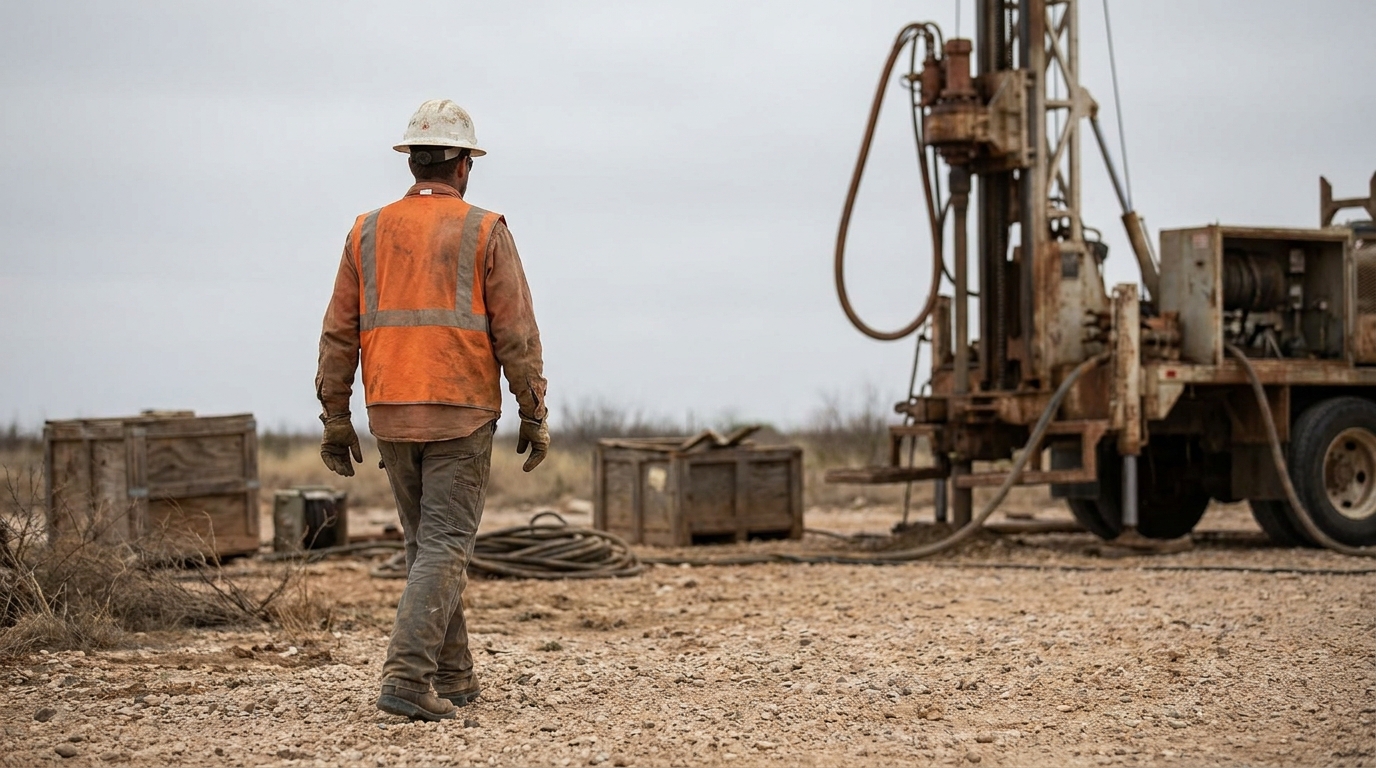
Oil field accidents rarely involve just one responsible party. These industries operate complex multi-employer work environments where drilling contractors, service companies, equipment vendors, and site operators share the worksite. When a non-subscriber employer’s negligence causes serious injury, the injured worker may pursue claims against the employer directly, but the analysis should not stop there.
Third-Party Liability in Multi-Employer Worksites
Third-party claims may exist against any entity whose negligence contributed to the injury. This includes equipment manufacturers who produced defective machinery, general contractors who controlled site safety, or other subcontractors whose workers created hazardous conditions. OSHA violations documented at the worksite serve as powerful evidence of negligence. Identifying every potentially liable party is critical for maximizing recovery, especially when the direct employer lacks sufficient resources.
Employer Reporting Obligations
Even as non-subscribers, Texas employers must meet certain legal requirements. According to the Texas Department of Insurance, non-subscriber employers must file annual notice with the Division of Workers’ Compensation reporting their lack of coverage and provide written notice to employees. Non-subscriber employers with five or more employees must also report work-related injuries resulting in more than one day of lost time, all work-related fatalities, and all occupational diseases to the Division of Workers’ Compensation.
💡 Pro Tip: If you work for a subcontractor on a larger company’s wellsite, you may have claims against both your direct employer and the site operator. An experienced oil field injury attorney in Houston can investigate every layer of the contracting chain.
Protecting Your Rights After a Serious Oil Field Injury in Houston
Texas imposes strict deadlines on personal injury claims. Under Texas Civil Practice and Remedies Code § 16.003, the general statute of limitations for personal injury is two years from the date of injury. While limited exceptions may apply, courts interpret tolling provisions strictly. Waiting too long can permanently bar your claim, regardless of how strong the evidence may be.
Preserving evidence is equally urgent on active oil field sites. Equipment gets moved, repaired, or scrapped. Drilling logs and safety records may be altered or discarded. Witnesses transfer to other rigs. Taking immediate steps to secure physical evidence, witness statements, and company records can make the difference between success and failure.
💡 Pro Tip: Request copies of your employer’s incident report, safety manuals, and training records immediately after an injury. These documents can become central evidence in your case.
Frequently Asked Questions
1. What is a non-subscriber employer in Texas?
What Does "Non-Subscriber" Mean Under Texas Law?
A non-subscriber is an employer that has chosen not to carry workers’ compensation insurance. Texas Labor Code § 406.002 makes this coverage optional for most private employers. Non-subscribers have no obligation to provide workers’ compensation benefits to injured employees, but they lose important legal defenses if sued.
2. Can I sue my employer if they are a non-subscriber?
Your Right to File a Lawsuit Against a Non-Subscriber Employer
Yes. If your employer lacks workers’ compensation, you retain the full right to pursue a civil lawsuit for negligence. The employer cannot raise contributory negligence, assumption of risk, or the fellow-servant doctrine as defenses. You must still prove that the employer’s negligence caused your injury.
3. How do I know if my oil field employer has workers’ comp?
Determining Your Employer’s Coverage Status
Your employer is required by law to notify you of its workers’ compensation status. Non-subscriber employers must report their lack of coverage to the state and provide written notice to employees. You can also contact the Texas Department of Insurance, Division of Workers’ Compensation, to verify your employer’s status.
4. What damages can I recover in a Texas oil field negligence claim?
Types of Compensation Available in Non-Subscriber Cases
Injured workers may recover damages for past and future medical expenses, lost wages, loss of earning capacity, pain and suffering, mental anguish, and disfigurement. In cases involving permanent disability or life-altering injuries such as traumatic brain injuries, spinal cord damage, or severe burns, the total value can be substantial when future medical care and lifetime wage loss are properly calculated.
5. What should I do immediately after an oil field accident in Houston?
Critical Steps to Protect Your Legal Rights
Report the injury to your supervisor, seek immediate medical attention, and begin documenting everything. Photograph the accident scene, collect witness contact information, and preserve communications with your employer. Do not sign settlement agreements or give recorded statements before speaking with an attorney.
Holding Non-Subscriber Employers Accountable for Oil Field Injuries
Understanding your employer’s non-subscriber status is the first step toward protecting your future after a catastrophic oil field injury. Texas law gives non-subscriber employers freedom from mandatory workers’ comp, but it also gives injured workers powerful legal tools to pursue full accountability through civil litigation. When the stakes involve permanent disability, mounting medical bills, and a family’s financial security, the legal strategy you choose matters enormously.
The trial attorneys at Fibich, Leebron, Copeland & Briggs have a proven track record of representing seriously injured oil field workers throughout Houston and Texas. If you or a family member suffered a life-altering injury while working for a non-subscriber employer, call 713-751-0025 or contact us today for a confidential case evaluation.