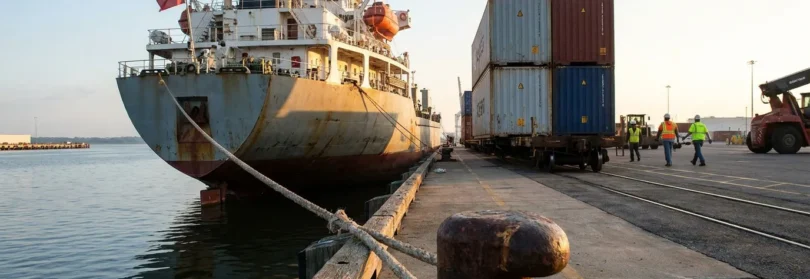
A Shipping Waiver Does Not Erase an Injured Seaman’s Rights
Key Takeaways: The 2026 Jones Act shipping waiver changed the rules on which vessels may carry cargo between U.S. ports. By its own terms, it does not take away an injured seaman’s right to sue a negligent employer under 46 U.S.C. § 30104. Seafarers’ unions objected to the waiver over jobs and crew protections, but a government trade waiver is not the same as an injured worker signing away legal rights in a release. Seaman status is often the most disputed issue, and it can decide whether a Houston oil field worker’s case falls under federal maritime law, another federal compensation system, Texas workers’ comp, or a claim against an employer without comp coverage. Injured workers should be wary of pressure to sign releases quickly. Jones Act claims generally must be filed within three years, and some Texas claims have shorter deadlines.
A temporary waiver of Jones Act shipping rules does not, by its own terms, take away an injured seaman’s right to sue an employer for negligence. Waivers like the one issued in 2026 generally deal with which vessels may carry cargo between U.S. ports. The injury remedy for seamen is a separate federal law, 46 U.S.C. § 30104. If you or a family member suffered burns, a crush injury, a brain injury, or a fatal accident while working on a vessel or offshore rig, the waiver headlines should not stop you from looking into your claim. Deadlines still apply, and waiting can cost families the chance to recover lost wages and future medical care.
If a serious offshore or vessel injury has left your family facing surgery, lost income, or permanent disability, talk with a trial firm that handles complex maritime cases. Fibich, Leebron, Copeland & Briggs represents injured workers and grieving families in claims against vessel operators, contractors, and manufacturers. Call 713-751-0025 or schedule a confidential case review to discuss what happened.
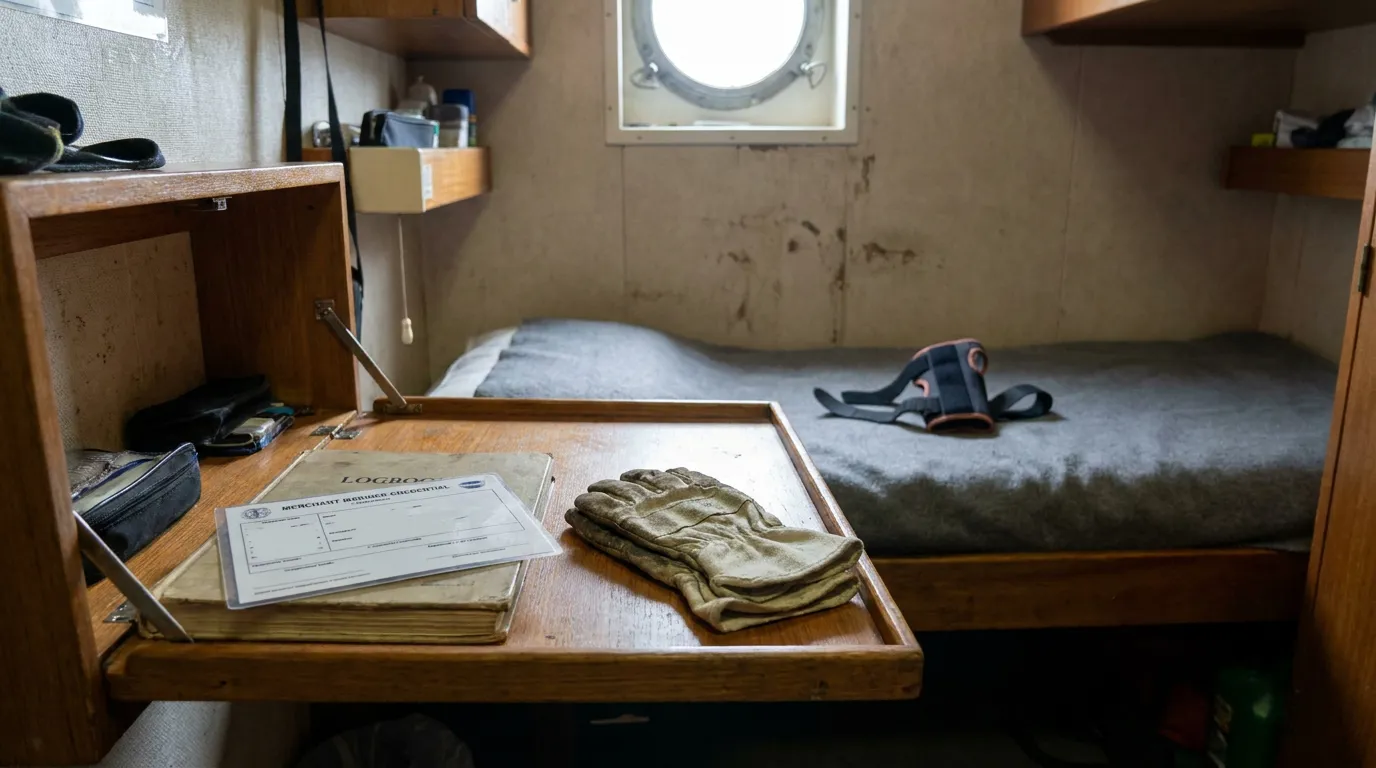
What the 2026 Jones Act Shipping Waiver Actually Changed
The Jones Act waiver 2026 debate centers on cargo, vessels, and jobs, not injury lawsuits. People use the term "Jones Act" for two different sets of federal laws. One is the coastwise trade law, which controls which vessels may move goods between U.S. ports (46 U.S.C. § 55102 and related sections). The other is the seaman’s injury remedy in 46 U.S.C. § 30104.
Why Maritime Labor Groups Pushed Back
Seafarers’ unions opposed the waiver because they saw it as a threat to American jobs and crew protections. The Seafarers International Union reported in May 2026 that industry groups pushed back against the waiver, arguing it put U.S.-flag vessel jobs and crew safeguards at risk. Those concerns are about trade and jobs, not a change to the negligence remedy.
Two Different Meanings of "Waiver"
The word "waiver" in a shipping headline means something very different from an injured worker giving up legal rights. A government trade waiver temporarily relaxes vessel rules. A personal waiver, or release, is a document an injured worker signs to give up a claim. Both Texas law and federal maritime law look at releases closely, so be careful before signing one.
How Federal Law Protects a Jones Act Seaman After a Serious Injury
A Jones Act seaman hurt on the job generally may sue the employer and may choose a jury trial. Under 46 U.S.C. § 30104, if the seaman dies from the injury, the personal representative may bring the case instead. Nothing in a temporary trade waiver rewrites that text. Seamen may also have separate maritime claims against the vessel owner, such as maintenance and cure (daily living costs and medical care during recovery) and unseaworthiness (an unsafe vessel or crew).
The FELA Connection
Section 30104 borrows the federal laws that govern injury claims by railroad workers. So the Federal Employers’ Liability Act (FELA) shapes the negligence standard in a Jones Act claim. Courts have described the burden of proving cause as lighter than in an ordinary negligence case: the question is whether the employer’s negligence played any part, even the slightest, in causing the injury. Still, the seaman must prove negligence.
Who Qualifies as a Seaman
Seaman status is often the most disputed issue in these cases. Not every worker who sets foot on a vessel qualifies. Under the Supreme Court’s test, the worker’s duties must contribute to the vessel’s work or mission, and the worker must have a connection to a vessel or fleet in navigation that is substantial in both time and nature. As a rough guide, a worker who spends less than about 30% of their time working for a vessel generally does not qualify. Deckhands, crane operators on liftboats, and some drilling crews on jack-up rigs may qualify. Workers on fixed platforms generally do not.
Why Seaman Status Changes Everything for Houston Oil Field Workers
Whether you qualify as a seaman can decide which legal system controls your case and what you may recover. Many injured Houston workers fall into a gray area between maritime law, other federal compensation systems, and Texas workers’ comp.
| Injury System | Fault Required? | Key Texas or Federal Authority |
|---|---|---|
| Jones Act negligence claim | Yes, employer negligence | 46 U.S.C. § 30104 |
| Texas workers’ comp (covered employer) | No, but benefits are generally the only remedy | Tex. Lab. Code §§ 406.031(a), 408.001(a) |
| Suit against employer without comp coverage | Yes, but many defenses are barred | Tex. Lab. Code § 406.033 |
| Third-party claim (contractor, manufacturer) | Depends on the claim | Texas and maritime injury law |
Texas Workers’ Comp and Its Limits
For workers covered by Texas comp, the insurer generally pays benefits regardless of fault under Tex. Lab. Code § 406.031(a). The trade-off is large. Under Tex. Lab. Code § 408.001(a), comp benefits are usually the only remedy against a covered employer. Section 408.001(b) makes an exception when an employee dies because of the employer’s intentional act or omission or gross negligence, allowing the surviving spouse or children to seek punitive damages.
Federal Coverage Moves Seamen Out of State Comp
Texas law keeps seamen and workers covered by a federal compensation system outside of state workers’ comp. Under Tex. Lab. Code § 401.012(c)(1), a master of or a seaman on a vessel engaged in interstate or foreign commerce is excluded from the definition of "employee" under the Texas Workers’ Compensation Act, and under Tex. Lab. Code § 406.091(a)(2), a person covered by a method of compensation established under federal law is not subject to the Act. Together, these provisions keep such seamen and federally-covered workers outside Texas state workers’ comp coverage, so a seaman’s injury case is usually a federal maritime claim.
When the Employer Has No Coverage
Oil field workers who are not seamen may still have strong claims if their employer did not carry comp coverage. Under Tex. Lab. Code § 406.033(a), an employer without comp coverage generally cannot argue that the employee was partly at fault, accepted the risk, or was hurt by a co-worker’s negligence. The employee must still prove the employer was negligent. Under § 406.033(c), the employer may defend by showing that the employee’s intoxication caused the injury, or that the employee willfully tried to hurt themselves or unlawfully hurt someone else. For workers on the Outer Continental Shelf, federal law such as the Longshore and Harbor Workers’ Compensation Act may apply instead.
Third-Party Liability and Foreign-Flagged Vessel Injuries
Many serious offshore injuries involve more than one at-fault company. A single blowout, crane collapse, or deck fire may involve:
- The vessel owner or operator
- A drilling contractor or well operator
- An equipment or parts manufacturer
- A maintenance or service contractor
- A transport or supply boat company
An injury on a foreign-flagged vessel can raise questions about where the case may be heard. Tex. Civ. Prac. & Rem. Code § 71.051 controls when Texas courts may pause or dismiss injury or wrongful death cases because another court is a better fit. Federal choice-of-law rules and 46 U.S.C. § 30105 may also limit claims by foreign seamen, so crew members who live outside the U.S. should get advice early.
💡 Pro Tip: Write down the vessel name, flag, owner, and every contractor working on board at the time of the incident. Naming each one early helps preserve claims against everyone responsible.
Protecting Your Claim in the Weeks After an Offshore Accident
What you do soon after a serious injury can affect the strength of your case. Injured workers should report the injury, get thorough medical care, and keep copies of every record, photo, and witness name.
Be Careful With Release Forms
Texas law generally voids agreements signed before an injury that waive an employee’s negligence claims against an employer without comp coverage. Under Tex. Lab. Code § 406.033(e) through (f), a waiver signed after the injury is generally valid only if the employee signs voluntarily and understands its effect; signs at least 10 business days after first reporting the injury; a doctor who is not providing emergency care has first examined the employee; and the waiver is in writing with terms that stand out clearly. Pressure to sign quickly is a warning sign. In maritime cases, the employer generally must prove that a seaman signed a release freely and fully understood the rights given up.
Deadlines Still Apply
Jones Act claims generally must be filed within three years under 46 U.S.C. § 30106. Texas state-law claims may have shorter limits, such as the two-year period for many injury and wrongful death claims under Tex. Civ. Prac. & Rem. Code § 16.003.
💡 Pro Tip: Keep a running record of missed paychecks, medical visits, and out-of-pocket travel costs. These records help prove lost wages and future medical care.
Frequently Asked Questions
1. Did the 2026 Jones Act shipping waiver eliminate seamen’s injury lawsuits?
Based on reports, nothing in the trade waiver claims to repeal 46 U.S.C. § 30104. The waiver generally addresses which vessels may carry cargo between U.S. ports. The injury remedy is a separate law and generally still applies.
2. Can I bring a Jones Act claim if I was hurt on a foreign-flagged vessel?
It may be possible, depending on your employer, citizenship, and the vessel’s ties to the United States. Courts weigh factors such as the flag, where the injury happened, the parties’ nationality, and where the owner runs its business. Foreign nationals may also face limits under 46 U.S.C. § 30105.
3. What damages may an injured seaman pursue?
A successful seaman negligence claim may include lost wages, loss of future earning ability, medical bills, and pain and suffering. Punitive damages are generally not available under the Jones Act. Families of seamen killed on the job may bring wrongful death claims through a personal representative, but death damages are generally limited to financial losses.
4. What if I work on a platform, not a vessel?
Platform workers often do not qualify as seamen, but other remedies may exist. Depending on the platform’s location, these can include federal compensation benefits under the Longshore and Harbor Workers’ Compensation Act, claims against contractors or manufacturers, and, in some cases, claims against an employer without comp coverage. An offshore injury attorney can review which system applies.
Holding Maritime Companies Accountable in 2026 and Beyond
The 2026 shipping waiver generally changed cargo rules and, by its own terms, did not change the core legal rights of a seriously injured seaman. Section 30104 still generally allows an injured seaman, or the personal representative of a seaman who died, to seek a jury trial against a negligent employer. For more on maritime law changes 2026 and oil field injury claims, our resources continue to track developments affecting Houston workers.
If a vessel or offshore injury has left your family facing permanent disability, lost income, or a lifetime of medical costs, the companies responsible should answer for it. Fibich, Leebron, Copeland & Briggs prepares serious maritime and oil field cases for trial against operators, contractors, and manufacturers. Call 713-751-0025 or request your case evaluation today while your filing deadlines remain open.
Disclaimer: This content is for informational purposes only and is not legal advice. Every case is unique, and results may vary. Consult an attorney about your specific circumstances.