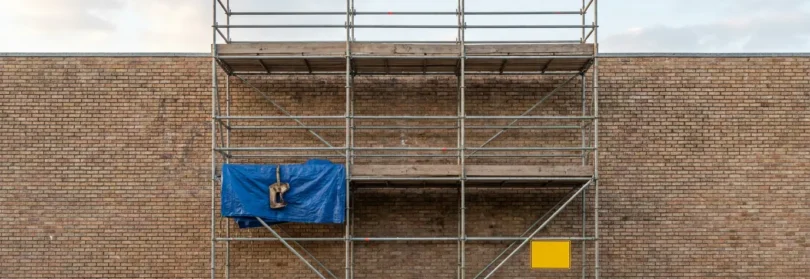
Scaffold Collapse in Houston: Who Pays When a Fall Changes Everything
A serious scaffold fall in Houston can open the door to more than workers’ compensation, and the right legal team can make a measurable difference in what a family ultimately recovers. Houston scaffold fall claims often involve shattered spines, traumatic brain injuries, multiple surgeries, and months or years away from work. When a general contractor, property owner, scaffold company, or equipment manufacturer that is not your employer caused the fall, Texas law may allow a third-party lawsuit for damages that workers’ compensation does not cover. Fibich, Leebron, Copeland & Briggs has represented injured Houston workers since 1992. Texas filing deadlines apply, so act soon after the injury.
If a scaffold fall left you or someone you love with a permanent injury, or took a family member’s life, Fibich, Leebron, Copeland & Briggs can review whether a contractor or other company may be held responsible. Call 713-751-0025 or contact us now to schedule a free consultation, in person or by video.
Why Scaffold Accidents Become High-Stakes, Multi-Party Cases
Scaffold accidents rarely trace back to one mistake by one person. A typical Houston job site may have a property owner, a general contractor, several subcontractors, a scaffold erection company, and an equipment supplier all working at once. Each may have had a duty to keep workers safe, depending on its role and control over the work. Determining responsibility means looking at contracts, inspection logs, and the site’s chain of command.
Federal safety rules can serve as evidence of the standard of care. Under 29 C.F.R. § 1926.451, each scaffold and component generally must support its own weight plus at least four times its maximum intended load. The regulation also sets requirements for guardrails, safe access, and inspection by a competent person before each shift and after any event that could affect structural integrity. An OSHA violation does not automatically prove negligence in a Texas lawsuit, but it can be strong evidence. Our team often reviews the OSHA scaffold requirements next to the physical evidence to show where a contractor fell short.
Common failure points that may support a third-party claim include:
- Scaffolds overloaded beyond rated capacity or built with damaged components
- Missing or improperly installed guardrails and toe boards
- Unsafe access points, such as climbing cross-braces instead of using ladders or stair towers
- Skipped or superficial competent-person inspections
- Defective planks, couplers, or base plates supplied by a manufacturer or rental company
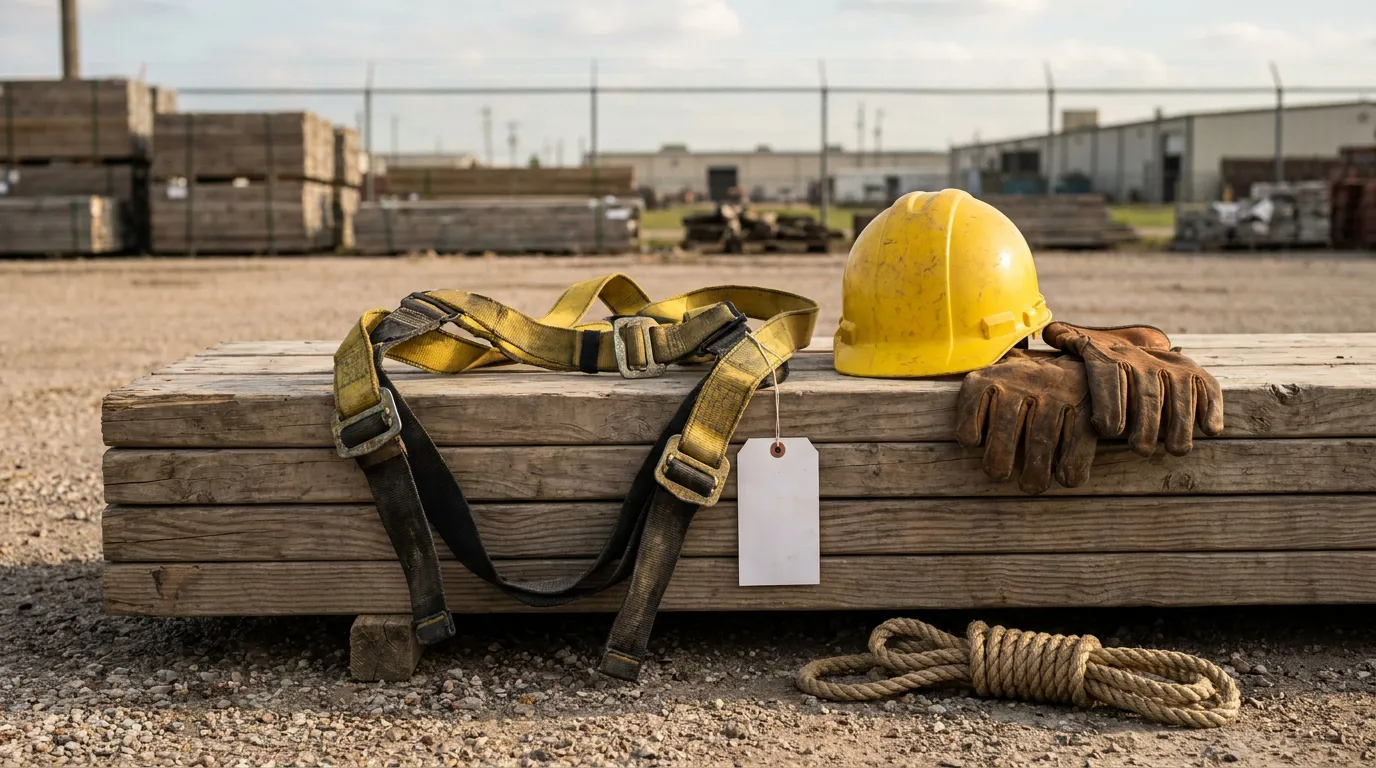
💡 Pro Tip: Photograph the scaffold, tags, and surrounding area as soon as you safely can, or ask a coworker to do it. Scaffolds are often taken down quickly, and that evidence can disappear within days.
Workers’ Comp Is Usually Only the Beginning
If your employer carries Texas workers’ compensation, those benefits are generally your exclusive remedy against that employer. Texas Labor Code § 408.001(a) bars most negligence lawsuits against a covered employer and its agents or employees. On some projects, a general contractor that provides comp coverage to subcontractors’ workers under Texas Labor Code § 406.123 may also be treated as the employer and claim this protection. Comp benefits do not include pain and suffering, and they often fall far short of a lifetime of lost earning capacity.
Texas Labor Code § 417.001(a) lets you claim comp benefits and also sue a negligent third party. If a general contractor, site owner, or scaffold company that is not protected as your employer caused the fall, you may pursue damages including lost wages, loss of future earning capacity, future medical care, pain and suffering, and physical impairment. Claims against property owners for contractor injuries may also be limited by Texas Civil Practice and Remedies Code Chapter 95, which generally requires proof that the owner controlled the work and actually knew of the danger. Our related article on contractor negligence and catastrophic injuries covers these rights in more detail.
What a Third-Party Settlement Actually Pays Out
The comp carrier generally has a right to be repaid out of a third-party recovery. Under Texas Labor Code § 417.001(b), the carrier is subrogated to the worker’s rights and may recover the benefits it paid or assumed. Attorney’s fees and expenses are shared under Texas Labor Code § 417.003. Any amount left over goes to the injured worker and generally counts as an advance against future comp benefits.
Contracts between Houston contractors also shape these cases. Under Texas Labor Code § 417.004, a third party generally cannot make a subscribing employer reimburse it unless the employer signed a written agreement before the injury to assume that liability. Indemnity clauses and subcontracts can also show who controlled the site and who accepted the risk.
💡 Pro Tip: Ask for the names of every company working on the site that day, including the scaffold supplier. A third-party claim often depends on finding the business that controlled the specific hazard.
When Your Employer Has No Workers’ Comp
Texas allows most private employers to opt out of workers’ compensation, and these nonsubscribers lose important defenses. Under Texas Labor Code § 406.033(a), a nonsubscribing employer cannot argue that the worker was contributorily negligent, assumed the risk, or was hurt by a coworker’s negligence. The injured worker still must prove negligence by the employer or its agent or servant acting within the general scope of employment.
Be cautious about anything you are asked to sign after a fall. Under § 406.033(e), waivers signed before an injury are void. Under § 406.033(f), a waiver signed after an injury holds up only if it was voluntary and knowing, signed no earlier than the 10th business day after the injury report, signed after a medical evaluation by a nonemergency care doctor, and written with conspicuous terms. The employer bears the burden of proving validity.
💡 Pro Tip: Do not sign a release, waiver, or "benefit plan" election form from a nonsubscribing employer until a lawyer has reviewed it.
Deadlines, Fault, and Fatal Scaffold Falls
Texas Civil Practice and Remedies Code § 16.003 generally gives injured workers two years from the date of injury to file a personal injury lawsuit. Wrongful death claims generally must be filed within two years of the death. Missing these deadlines can end a claim no matter how serious the injuries are. The workers’ comp system has its own deadlines, such as reporting the injury to your employer within 30 days and generally filing a claim with the Division of Workers’ Compensation within one year.
Texas uses proportionate responsibility under Civil Practice and Remedies Code Chapter 33. If a jury finds you partly at fault, your damages are reduced by your percentage of fault. If your share is more than 50 percent, you cannot recover. Defense lawyers for contractors often try to shift blame to the injured worker, so a careful early investigation matters.
Families who lose a loved one may have additional options. Texas Labor Code § 408.001(b) allows the surviving spouse or heirs of the body to seek exemplary damages from a covered employer whose intentional act or omission, or gross negligence, caused the death. Families may also bring wrongful death claims against negligent third parties.
What Super Lawyers Recognition and Board Certification Mean for Your Case
Peer recognition can help you tell experienced trial lawyers apart from high-volume settlement practices. Founding partner Tommy Fibich has been described as a perennial Texas Super Lawyer, and the firm’s construction accident page shows recognition from Super Lawyers, the American Board of Trial Advocates, and an AV Rated Preeminent rating. These recognitions do not guarantee any outcome, but they can signal a record of courtroom credibility.
Board certification sets a higher standard. Three of our attorneys are board certified by the Texas Board of Legal Specialization, and Tommy Fibich is Board Certified in Civil Trial Law. Tommy has more than 45 years of trial experience and received the Texas Bar Foundation’s Ronald D. Secrest Outstanding Trial Lawyer Award in 2019. When contractors and their insurers see a team ready to try a case, they may take a valuation more seriously.
💡 Pro Tip: When comparing firms, ask who will actually handle your case and whether that attorney has tried construction or workplace injury cases to verdict.
Why You Should Choose Fibich, Leebron, Copeland & Briggs
Our firm is a selective Houston trial practice built for serious injury and wrongful death cases. Since 1992, our attorneys have recovered over $1 billion in verdicts and settlements for clients. Past results do not guarantee future outcomes. Our attorneys bring more than 100 years of combined experience representing injured workers in Houston. Learn more about our Houston construction accident lawyers and the cases we take on.
What our clients can expect:
- A thorough investigation into what went wrong and which businesses are at fault
- Established relationships with industry witnesses who can testify about scaffold safety and lifetime care needs
- Experience with both workers’ comp claims and third-party lawsuits, including nonsubscriber cases
- Direct communication with your legal team at every stage
- Service throughout Houston, Harris County, and Texas, with Spanish-speaking support (Se Habla Español)
Frequently Asked Questions
Common Questions About Scaffold Fall Claims in Houston, Texas
1. Can I sue my employer after a scaffold fall?
It depends on whether your employer carries workers’ compensation. If it does, Texas Labor Code § 408.001(a) generally makes comp your only remedy against that employer. The narrow exception allows a surviving spouse or heirs to seek exemplary damages in a fatal case caused by the employer’s intentional act or gross negligence. If your employer is a nonsubscriber, you may be able to sue it directly for negligence under Texas Labor Code § 406.033.
2. Who else may be liable besides my employer?
General contractors, property owners, scaffold erection or rental companies, and equipment manufacturers may all share liability. Responsibility depends on who controlled the site, built or inspected the scaffold, or supplied defective parts.
3. How long do I have to file a scaffold injury lawsuit in Texas?
Most personal injury claims must be filed within two years under Texas Civil Practice and Remedies Code § 16.003. Workers’ comp deadlines are separate and can be shorter, so talking to a lawyer early protects both.
4. Will the workers’ comp carrier take part of my third-party recovery?
Generally yes, through subrogation under Texas Labor Code § 417.001(b). Whatever is left after the carrier is repaid and fees are paid goes to the injured worker.
5. What if I was partly at fault for the fall?
You may still recover if your share of responsibility is 50 percent or less under Texas Civil Practice and Remedies Code Chapter 33. Your damages would be reduced by your percentage of fault.
Holding Contractors Accountable After a Life-Altering Fall
A scaffold fall that causes permanent disability or death can raise complex questions about comp benefits, third-party liability, subrogation, and strict deadlines. Texas law may allow injured workers and grieving families to recover far more than comp provides when a contractor, owner, or manufacturer caused the fall.
If your family is facing years of lost income and future medical care after a scaffold collapse on a Houston job site, Fibich, Leebron, Copeland & Briggs is ready to look into who should be held responsible. Call 713-751-0025 or schedule your free consultation today.
Disclaimer: This content is for informational purposes only and is not legal advice. Every case is unique, and results may vary. Consult an attorney about your specific circumstances.