
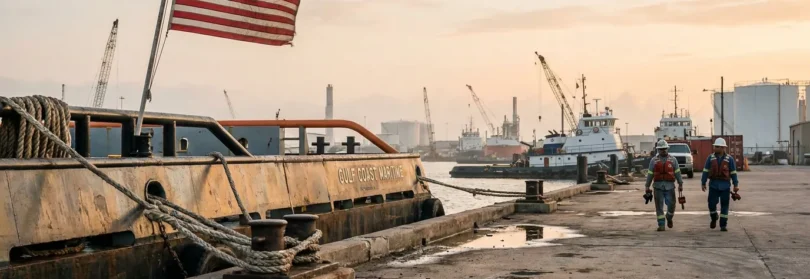
Understanding Your Legal Rights as a Houston Maritime and Offshore Worker
Key Takeaways: The Jones Act is a 1920 federal law allowing injured seamen to sue employers for negligence, offering Houston oil workers full recovery rather than limited workers’ compensation. To qualify, workers must meet "seaman" status, typically spending at least 30% of time on a vessel in navigation. Seaman status also unlocks unseaworthiness claims and maintenance and cure benefits. Non-seamen fall under LHWCA or OCSLA with different rights and deadlines. Strict filing deadlines apply: generally three years for Jones Act claims, one year under LHWCA. Texas statutes add accountability for gross negligence, and identifying all liable parties is key to protecting your future.
The Jones Act is a federal law giving injured seamen the right to sue employers for negligence, and it can be a powerful tool for Houston oil workers hurt on vessels in the Gulf and along Texas waterways. Passed in 1920, the Jones Act provides remedy to seamen injured during employment aboard a vessel due to employer negligence. For oil and gas workers, this often means the difference between limited workers’ compensation and full recovery for life-altering injuries. When a crew member suffers a crush injury, severe burn, or fall offshore, understanding the Jones Act is the first step toward holding negligent employers and vessel owners accountable.
If you or a loved one has suffered a serious offshore injury, the team at Fibich, Leebron, Copeland & Briggs is ready to evaluate your case. Call our office at 713-751-0025 or reach out through our confidential case review form to discuss your legal options today.
Why Congress Created the Jones Act for Injured Seamen
The Jones Act exists because earlier maritime law left injured seamen with almost no path to recovery. Before 1920, injured seamen generally could not recover damages from employers for negligence, and doctrines like the "fellow servant" rule frequently denied compensation when a coworker’s mistake caused injury. Congress passed the Jones Act recognizing the extraordinary dangers of working at sea, where a single equipment failure or unsafe order can cause catastrophic harm far from shore.
For Houston oil workers, the financial stakes of a qualifying Jones Act claim are significant. Jones Act plaintiffs can recover one-hundred percent of expenses plus damages, including past and future wage loss, medical expenses, and pain and suffering. This structure contrasts sharply with no-fault systems that cap recovery. For workers facing permanent disability, mounting medical bills, and lost income, the difference is life-changing.
💡 Pro Tip: Report any offshore injury in writing immediately and request a copy of the incident report. Early documentation helps preserve critical evidence for proving negligence.
Who Qualifies as a "Seaman" Under the Jones Act
Jones Act protection depends entirely on whether the injured worker qualifies as a "seaman," a term the statute never defines. Because of this gap, courts have spent decades shaping the definition through litigation, and outcomes often turn on specific facts of a worker’s daily duties.
In general, a seaman is a worker connected to a vessel in navigation who contributes to its function or mission. Many courts follow a guideline that a seaman spends at least 30% of employment time on a vessel or fleet of commonly owned vessels. This 30% benchmark is a guideline rather than a rigid rule. The distinction matters because workers who don’t meet seaman status are directed to a different legal framework.
Seaman status also unlocks remedies beyond a negligence claim. Seaman status triggers general maritime law remedies of unseaworthiness and maintenance and cure, providing overlapping avenues of recovery. Proper classification is one of the most heavily contested issues in maritime injury cases.
The Unseaworthiness Doctrine and Maintenance and Cure
Beyond negligence, the unseaworthiness doctrine offers Houston oil workers a separate and powerful theory of liability. Liability in unseaworthiness claims doesn’t depend on the vessel owner’s knowledge of the unsafe condition. This strict liability standard holds vessel owners responsible for keeping the vessel, equipment, and crew fit for their intended use. When defective machinery or an undermanned crew leads to serious injury, this doctrine can support recovery even when the owner claims no warning of danger.
Maintenance and cure provides immediate, no-fault support while an injured seaman recovers. Maintenance refers to a daily stipend covering reasonable living expenses, while cure covers necessary medical treatments related to the injury. These benefits continue until maximum medical improvement and are available regardless of fault.
💡 Pro Tip: Keep every medical record, mileage log, and receipt connected to your treatment. Detailed documentation strengthens both maintenance and cure benefits and your broader damages claim.
Jones Act vs. LHWCA: Knowing Which Law Applies
Not every maritime worker is a seaman, and the law that applies can dramatically change a worker’s rights. The LHWCA provides workers’ compensation for land-based maritime workers, making employers liable for wage compensation and medical benefits regardless of fault. The Jones Act and LHWCA are generally mutually exclusive.
Workers who don’t qualify as seamen may still have protections under federal law. The Outer Continental Shelf Lands Act (OCSLA) often applies the LHWCA to workers on offshore platforms who aren’t considered seamen. You can learn more about how courts evaluate maritime worker injury rights.
| Feature | Jones Act | LHWCA |
|---|---|---|
| Who it covers | Seamen on vessels in navigation | Land-based maritime workers, longshoremen |
| Basis of liability | Employer negligence | Workers’ compensation, regardless of fault |
| Recovery available | Wages, medical, pain and suffering | Wage compensation and medical benefits |
| Filing deadline | Generally three years | Generally one year |
The standard of proof under the Jones Act is notably favorable to injured workers. The Jones Act permits liability if employer negligence played any role, however slight, in causing injury. This relaxed causation standard, combined with broad damages, is why proper classification matters for serious cases.
Filing Deadlines That Can Make or Break a Claim
Strict time limits apply to maritime injury claims, and missing them can permanently bar recovery. Jones Act and unseaworthiness claims typically must be filed within three years of the injury date, while LHWCA claims often have only one year. These deadlines are general rules interpreted narrowly by courts. Civil lawsuit deadlines differ from administrative claim requirements, so workers shouldn’t assume timelines are identical.
Exceptions to these deadlines are limited and fact-dependent. Tolling or delayed-discovery arguments sometimes apply, yet courts rarely extend them automatically. Because consequences of missed deadlines are severe, workers should treat these limits as firm and act promptly.
💡 Pro Tip: Don’t wait for an employer or insurer to tell you which deadline applies. Because the Jones Act and LHWCA carry different timelines, confirming your classification early protects your filing ability.
How Texas Law Reinforces Accountability for Oilfield Employers
Texas statutes add another layer of protection for offshore and oilfield workers injured through serious misconduct. Under Texas Natural Resources Code § 91.953, a person who provides assistance, advice, or resources in response to a declared oil or gas emergency at the request of a government agency is immune from civil liability – but that immunity does not apply in cases of gross negligence, recklessness, or intentional misconduct. You can review the full text of these emergency response provisions in the Texas Natural Resources Code.
State law also limits how vessel owners can deflect responsibility onto licensed pilots. Under Texas Transportation Code § 67.083, pilot liability caps don’t apply to damage arising from willful misconduct or gross negligence, and don’t exempt vessel owners from liability. For injured offshore workers, this confirms vessel owners and operators remain accountable even when a pilot is at the helm. These protections are one reason injured workers often explore whether they can sue companies beyond their direct employer.
Building a Strong Case With a Houston Oilfield Injury Lawyer
An experienced oilfield injury lawyer houston team understands that serious offshore cases often involve multiple liable parties and complex corporate structures. Vessel owners, contractors, equipment manufacturers, and operators may all share responsibility for catastrophic injury. Common steps in building these cases include:
- Preserving physical evidence such as defective equipment and maintenance logs
- Securing witness statements from crew members before memories fade
- Obtaining vessel inspection records and safety reports
- Documenting the full scope of lost wages and future earning capacity
The Fifth Circuit, which covers Houston and Texas, has shaped many standards governing these claims. This appellate court has addressed key Jones Act issues, making its decisions especially relevant to local oil workers. Our firm is recognized for handling complex oil rig injury lawyer Texas cases involving life-altering harm.
Frequently Asked Questions
-
Does the Jones Act apply to all Houston oil workers?
Not every oil worker qualifies for Jones Act protection. The law applies only to workers meeting seaman status, typically requiring substantial connection to a vessel in navigation. Workers on fixed platforms or in land-based roles may fall under LHWCA or OCSLA.
-
How long do I have to file a Jones Act claim in Texas?
Jones Act and unseaworthiness claims generally must be filed within three years of injury. LHWCA claims often carry a one-year deadline. These limits are firm, and exceptions are interpreted narrowly.
-
What damages can an injured seaman recover?
Qualifying seamen may recover a broad range of damages including past and future lost wages, medical expenses, and pain and suffering. Maintenance and cure benefits may also be available regardless of fault.
-
Can I sue more than just my direct employer?
In many cases, multiple parties may share liability for offshore injury. Vessel owners, contractors, and equipment manufacturers can each be responsible. Texas law confirms vessel owners remain liable even when a licensed pilot controls the vessel.
-
What should I do first after a serious offshore injury?
Seek medical care immediately and report the injury in writing. Preserving evidence early is critical. Consulting a maritime injury lawyer Houston families trust helps protect your rights before deadlines pass.
Protecting Your Future After a Serious Offshore Injury
The Jones Act, unseaworthiness doctrine, and Texas statutes together give Houston oil workers meaningful tools to hold negligent employers and vessel owners accountable. When catastrophic offshore injury threatens a worker’s health, career, and family stability, understanding these overlapping protections is essential. Seaman status, filing deadlines, and identifying every liable party can all shape the outcome. Because each case turns on its own facts, injured workers benefit from careful legal analysis focused on full and fair recovery.
If you are facing a life-altering offshore or oilfield injury, the attorneys at Fibich, Leebron, Copeland & Briggs are prepared to fight for the accountability and compensation your family deserves. Call us today at 713-751-0025 or schedule your confidential consultation to take the first step toward protecting your future.