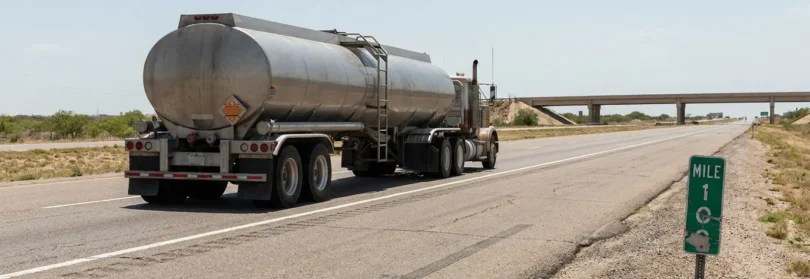
When a Tanker Crash Turns Into a Fireball on a Houston Highway
Key Takeaways: After a tanker truck explodes on a Texas highway, the driver may not be the only one liable. The trucking company, the owner or lessor of the tractor or trailer, the shipper or loader, maintenance providers, and manufacturers may also share the blame. Texas Civil Practice and Remedies Code Chapter 72 covers commercial vehicle crashes, including those involving parked or disabled trucks, and lets defendants request a two-phase trial separating liability and compensatory damages from exemplary (punitive) damages. Federal hazmat rules and Texas Transportation Code Chapter 644 set standards for loading, maintenance, driver fitness, and hazmat routes. Most personal injury and wrongful death claims must be filed within two years, and acting fast helps preserve evidence like electronic data, logs, and maintenance records.
A tanker truck explosion on a Texas highway can leave people with severe burns, brain injuries, or amputations, or take a family member’s life, in seconds. Liability often reaches beyond the driver. Depending on the facts, the trucking company, the vehicle owner or lessor, the shipper, the maintenance contractor, and the manufacturer may all share the blame. Filing deadlines apply, and waiting may weaken or end a claim.
If a commercial tanker crash left you or a loved one with life-altering injuries, or took a family member’s life, the trial team at Fibich, Leebron, Copeland & Briggs can look at what happened and who should answer for it. Call 713-751-0025 or contact us now to talk about your case while the evidence still exists.
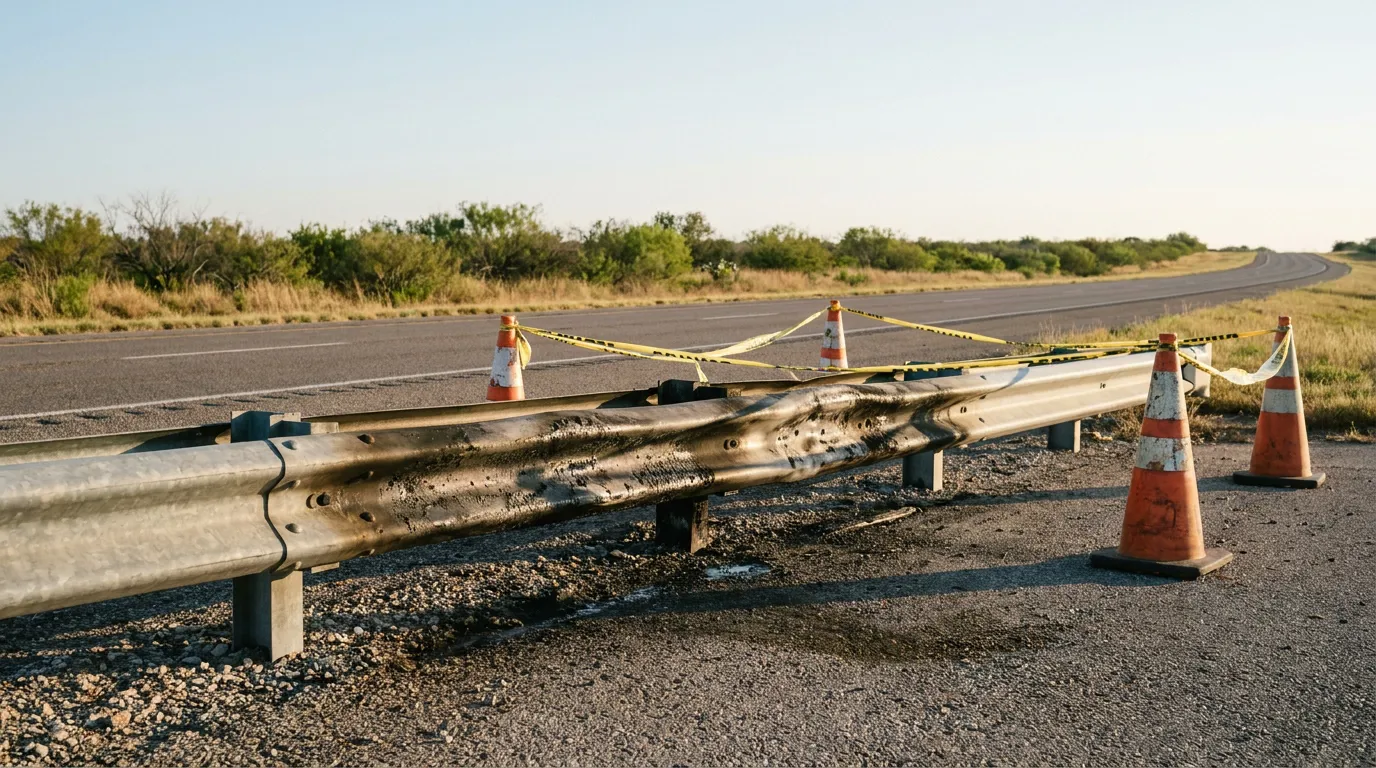
Why Tanker Crashes Cause Such Severe Harm
Tankers often haul gasoline, diesel, crude oil, and industrial chemicals, so one crash can set off a fire, an explosion, or a toxic release. Survivors may need skin grafts, several surgeries, and long-term rehab, and many can’t return to their old work. Families may also face lost wages, lost earning capacity, home changes, and in-home care lasting decades.
These cases are not like ordinary car crashes. The defendants are usually companies with insurers and defense lawyers who often start working right away. Houston families face these risks daily because of heavy refinery and petrochemical traffic. Similar risks show up at industrial sites, as we explain in our article on Houston refinery explosion liability.
Who Can Be Held Responsible for a Tanker Truck Explosion
Texas law recognizes that more than one party may be to blame after a commercial vehicle crash. Under Tex. Civ. Prac. & Rem. Code § 72.051, Chapter 72’s trial rules apply to defendants who operated the commercial motor vehicle, who owned, leased, or controlled it, or who employed or controlled its driver. Chapter 72 does not itself create liability. Each defendant’s responsibility still depends on negligence, product liability, or another legal theory.
The Statute Defines "Collision" Broadly
Under Chapter 72, a "collision" is an incident in which a commercial motor vehicle is operated and that causes bodily injury or death. "Operated" includes a vehicle that is stopped, parked, or disabled. So a tanker that explodes while stalled on a highway shoulder may still fall under the statute.
Parties Who May Be Liable
Every tanker case depends on its facts, but investigators often look at these defendants:
- The truck driver, for speeding, fatigue, impairment, or distracted driving
- The trucking company, for careless hiring, training, supervision, or dispatch practices
- The vehicle owner or lessor, when it controlled the tractor or trailer
- The shipper or loader, for improper loading or cargo handling
- Maintenance providers, for skipped inspections or faulty repairs
- Manufacturers, for defective tanks, valves, brakes, or other parts
How Federal and Texas Safety Rules Shape Liability
Tanker carriers must follow overlapping federal and state safety rules, and breaking those rules often becomes central evidence. Under Tex. Transp. Code § 644.001, "federal hazardous material regulation" means the federal hazmat rules in 49 C.F.R. Parts 101-199, and "federal motor carrier safety regulation" means the federal motor carrier safety rules in Title 49. Both may cover many tankers.
Texas Rules on Loading, Maintenance, and Driver Fitness
Under Tex. Transp. Code § 644.051, the director of the Texas Department of Public Safety must adopt rules on safely hauling hazardous materials and operating commercial motor vehicles, and those rules must generally match federal rules. They must ensure vehicles are safely maintained, equipped, loaded, and operated, and that drivers are physically able to drive safely. Improper loading, poor maintenance, or a medically unfit driver may support a negligence claim, though the plaintiff must still prove the violation caused the crash. You can read the full text of Texas Transportation Code Chapter 644 on the Legislature’s website.
Hazmat Routes in Houston
Houston has more than 1.3 million residents, so it falls under Tex. Transp. Code § 644.202, as amended by H.B. 4559 (2023). Cities of that size must create a hazmat route for commercial vehicles and submit it to the Texas Department of Transportation (TxDOT) for approval. Evidence that a tanker left an approved route may support a negligence claim, but only if the detour can be tied to how the crash happened.
💡 Pro Tip: Ask for copies of any police or Texas Department of Public Safety crash reports early. They may note the tanker’s placards, cargo type, and location, which can help show whether the truck was on an approved hazmat route.
How Trials Work in a Texas Tanker Crash Case
Texas law lets commercial vehicle defendants split these trials into two phases. Under Tex. Civ. Prac. & Rem. Code § 72.052, the court must grant a split trial if a defendant asks by the later of two deadlines: the 120th day after the defendant files its original answer, or the 30th day after a claim is added or amended against it. In phase one, the jury decides liability and compensatory damages. In phase two, it decides exemplary (punitive) damages.
| Trial Phase | What the Jury Decides | Key Evidence Issues |
|---|---|---|
| Phase One | Liability and compensatory damages | Rule violations that tend to prove the violation caused the harm |
| Phase Two | Exemplary damages | Negligent entrustment and broader rule violations |
When the Employer Admits the Driver Was on the Job
Under Tex. Civ. Prac. & Rem. Code § 72.054, an employer may agree before trial that its driver was its employee and acting within the course and scope of the job. The employer is then liable for the driver’s ordinary negligence if the jury finds the driver negligent (respondeat superior). In phase one, the plaintiff generally can’t pursue claims like negligent entrustment, hiring, training, supervision, or retention. Those claims may still be pursued in phase two if seeking exemplary damages and the jury has found the driver negligent.
Section 72.054(c) still allows certain safety evidence to come into phase one when the carrier is regulated under the Motor Carrier Safety Improvement Act of 1999 or Tex. Transp. Code Chapter 644, including whether the driver was licensed, disqualified, medically certified, or under an out-of-service order, and whether the driver broke hours-of-service or drug and alcohol rules, or was texting. SB 39 (89th Texas Legislature, Regular Session) would have repealed this provision effective September 1, 2025, but after passing the Senate, the bill stalled in a House committee and was never enacted. As a result, this evidentiary carve-out remains in effect, including for cases arising in Houston.
When Rule Violations Can Be Used at Trial
Under Tex. Civ. Prac. & Rem. Code § 72.053, evidence that a defendant broke a safety rule is allowed in phase one only if two conditions are met. First, the evidence must tend to prove the violation was a proximate (legal) cause of the injury or death. Second, the rule must be specific and apply to the defendant, its employee, or its equipment. A plaintiff may still seek exemplary damages under Chapter 41 based on other violations and present that evidence in phase two. The full text of Texas Civil Practice and Remedies Code Chapter 72 explains these rules.
Proving Negligence and Documenting Lifetime Losses
To win a negligence claim, a plaintiff generally must prove duty, breach, causation, and damages. Under Texas’s shared-fault rules, a victim’s recovery may be reduced, or barred if the victim is more than 50% at fault. In a tanker case, proving negligence often takes crash reconstruction, electronic control module data, hours-of-service logs, maintenance files, and the driver’s qualification file. Trucking companies control much of this evidence, so quick preservation demands matter.
Damages in severe cases often focus on long-term financial losses. These can include past and future medical care, lost wages, lost earning capacity, rehab, and in-home care, as well as pain and mental anguish. In wrongful death cases, eligible family members (the surviving spouse, children, and parents) may seek money for lost financial support, companionship, and mental anguish. No outcome can be guaranteed.
💡 Pro Tip: Keep a running file of medical bills, pay stubs, and notes from your doctors about future care. That record can become the basis for a life care plan and an analysis of lost earning capacity.
Act Quickly Before Deadlines and Evidence Disappear
In Texas, the deadline for most personal injury and wrongful death claims is generally two years under Tex. Civ. Prac. & Rem. Code § 16.003. For wrongful death, the two years generally runs from the date of death. Exceptions, such as extra time for minors, are applied narrowly. Claims against a government entity may require formal notice within as little as six months, and some cities set even shorter deadlines. Product liability claims against manufacturers may also face a separate 15-year statute of repose.
Waiting can also mean losing evidence. Electronic data may be overwritten, the truck may be repaired, and witnesses may forget details. Speaking with a tanker truck explosion lawyer early can help protect the evidence a serious claim depends on.
Frequently Asked Questions
1. Can I sue the trucking company and not just the driver?
In many cases, yes. The company may be liable for its driver’s negligence or directly liable for careless hiring, training, or supervision. If the company admits the driver was on the job, some direct claims may be limited to phase two.
2. What if the tanker was parked when it exploded?
Chapter 72 defines "operated" to include stopped, parked, and disabled vehicles. A parked or stalled tanker may still fall under the statute, depending on the facts.
3. Do federal hazmat rules apply to Texas tankers?
Generally, yes. Federal hazmat rules apply directly to hazmat shipping in commerce, and Texas rules under § 644.051 must generally match federal standards.
4. Can I recover punitive damages?
Exemplary damages may be available under Chapter 41 in some cases. They generally require clear and convincing evidence of fraud, malice, or gross negligence and a unanimous jury, and are usually capped by statute.
5. How long do I have to file?
Most claims are generally subject to a two-year deadline under Tex. Civ. Prac. & Rem. Code § 16.003. Exceptions are narrow, and claims against government entities may have much shorter notice deadlines, so get legal advice soon.
Holding Every Responsible Party Accountable
Liability after a tanker explosion may reach the driver, the trucking company, the vehicle owners, shippers, maintenance providers, and manufacturers. Chapter 72 and Transportation Code Chapter 644 shape how these cases are proven and tried. Families facing permanent injuries or a wrongful death need a careful investigation that is ready for trial.
If your family is facing a lifetime of medical costs, lost income, or the loss of a loved one after a commercial tanker crash, Fibich, Leebron, Copeland & Briggs is ready to hold the companies responsible to account. Call 713-751-0025 or schedule your consultation today, before key evidence is lost and filing deadlines pass.
Disclaimer: This content is for informational purposes only and is not legal advice. Every case is unique, and results may vary. Consult an attorney about your specific circumstances.